9 Best Digital Pianos of 2026 for Beginners, Home, and Stage (88-Key Weighted)
Berklee-trained musician Julian Reyes reviews the 9 best digital pianos of 2026, all 88-key and weighted, matched by use: beginners, budget, portable, stage, small spaces and advanced players.
Updated
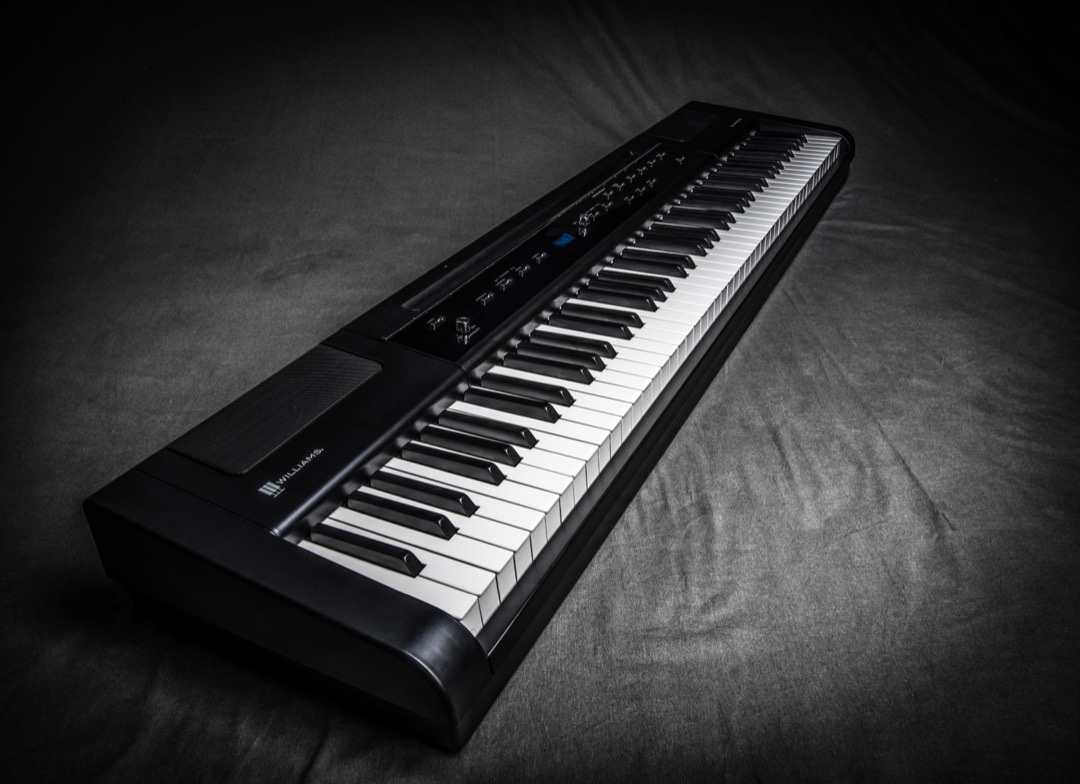
I spent four years selling keyboards before I taught on them, which means I watched a lot of people buy the wrong digital piano for defensible reasons. They compared voice counts. They bought the instrument with the bigger number on the box. Then they got it home, sat down, and discovered that the thing they actually interact with ten thousand times a week is the key, and that the key is the one specification nobody had explained to them.
So this roundup is organised around touch first. Every instrument here is a full 88-key board with a genuinely weighted, hammer-based action, which rules out the large and confusing category of semi-weighted keyboards that look similar in a listing photo and feel nothing alike under the hands. Within that, I have separated the pianos by the decision that actually splits buyers: whether this instrument is furniture that lives in one room, or a slab that has to move, and whether you are practising through a wall, teaching on it, or carrying it to a gig. If you are still deciding between a piano and an arranger keyboard, the short version is that weighted keys are the dividing line, and everything below is on the piano side of it.
I verified every listing on this page directly rather than working from a manufacturer spec sheet, because the two disagree more often than you would like. Where a listing does not state a number, I have left it out rather than filling it in from what the model is usually specified at, which is how wrong figures end up quoted for years.
| Product | Price | Buy |
|---|---|---|
| Roland FP-30X Digital Piano with SpeakersBest Overall | $649.99 | View on Amazon |
| Yamaha P-71 88-Key Weighted Action Digital PianoBudget Pick | $449.99 | View on Amazon |
| Yamaha P225 88-Key Digital Piano with Weighted KeysPremium Pick | $769.99 | View on Amazon |
| Roland FP-10 Compact 88-Note Digital PianoRunner-Up | $499.99 | View on Amazon |
| Casio CDP-S160 88-Key Weighted Digital PianoRunner-Up | $549.99 | View on Amazon |
| Kawai ES120 88-Key Digital Piano with SpeakersRunner-Up | $761.05 | View on Amazon |
| Casio Privia PX-770 88-Key Weighted Console Digital PianoRunner-Up | $899.00 | View on Amazon |
| Donner DEP-20 88-Key Weighted Digital Piano with Furniture Stand and 3-Pedal UnitRunner-Up | $409.99 | View on Amazon |
| Casio Privia PX-S3100 88-Key Weighted Digital PianoRunner-Up | $999.99 | View on Amazon |
Find the Best Digital Piano for Your Need
Jump straight to the situation you are buying for.
- Overall best digital piano
- Best digital piano for beginners
- Best portable digital piano
- Best budget digital piano
- Best digital stage piano
- Best compact digital piano for small spaces
- Best digital piano with weighted keys
- Best digital piano for advanced players
- More use cases
How I Chose These Digital Pianos
The first filter was mechanical: a full 88-key keybed with a hammer-based weighted action, which cut the field hard. Most of what sells under the phrase “digital piano” on a marketplace is a semi-weighted or fully unweighted keyboard, and those are decent instruments for other purposes but they teach a touch that does not transfer to a piano.
After that I checked every listing in a browser rather than trusting an API, confirming for each instrument that it has a normal new-condition buy box, that the page serves the model it claims to, and that the specification table on the listing supports the claims I make about it here. Three of the pianos below are running low stock as I write this, which is normal for the category and not a mark against them. Where a manufacturer is famous for a specification the listing does not actually state, I left the number out. The most common casualty of that rule is polyphony, which is genuinely useful to know and which most of these listings simply do not publish, so I have handled it in the buyer’s guide as a decision rather than as a column.
Owner evidence carried real weight in the ordering. A keybed that people have been sitting at for five years tells you something a launch review cannot, and where a piano is excellent but thinly reviewed, I say so in its own section rather than quietly ranking it as though the evidence were equivalent.
Best Digital Piano Overall
Nine instruments, ordered so the strongest all-round choice comes first and the specialists follow.
Roland FP-30X — Best Overall
The FP-30X wins this page on the strength of one thing you cannot see in a photograph. Its PHA-4 Standard keybed has escapement, the faint mechanical click you feel near the bottom of the key on an acoustic piano as the hammer disengages. Roland puts that same keybed family in the cheaper FP-10 further down this page, so what the FP-30X adds over it is everything around the keys. On a graded action without escapement, quiet repeated notes are a matter of hoping; with it, you can feel where the key gives up and control the return. That is the difference between an instrument you outgrow and one you keep.
The second thing is the speaker system. Twenty-two watts of stereo is enough to sit in a living room and play a piece for someone else without apologising for the volume, and Roland pairs it with a Bluetooth implementation that carries audio as well as MIDI. In practice that means one connection handles both a notation app and a backing track played through the piano’s own speakers, which removes the little desk of extra boxes that usually grows next to a digital piano.
What you give up is convenience. There is no display, so anything beyond choosing a voice is a documented button-and-key combination, and you will keep the manual. The stand and the three-pedal board are separate purchases and they are not trivial ones. Roland rates this listing for intermediate to advanced players rather than beginners, and I think that is honest rather than marketing: this is a piano with room to grow into rather than out of.

Roland FP-30X Digital Piano with Speakers
by Roland
The piano I would point most adult buyers at: an escapement action and Roland's modeling engine at a price that still reads as a mid-tier instrument rather than a luxury.
Pros
- The PHA-4 Standard keybed has escapement, the small mechanical notch you feel near the bottom of an acoustic key, which is the feature that separates a good graded action from a merely correct one
- Roland rates the listing for intermediate to advanced players rather than beginners, which matches how much headroom the action and the sound engine actually have
- A 22-watt stereo speaker system, enough to fill a living room without headphones or an external amp
- Bluetooth carries both MIDI and audio, so the same connection that drives a notation app also streams a backing track through the piano's own speakers
Cons
- There is no screen, so every setting beyond the basics is a button-and-key combination you look up rather than see
- The stand and the three-pedal board are separate purchases, which is a real addition to the cost of a finished setup
Yamaha P-71 — Best Budget
The P-71 is Yamaha’s P-45 sold under an Amazon-exclusive model name, and it is the most reviewed instrument on this page by an enormous margin. That matters more than it sounds. Every failure mode this piano has, someone has already hit, written up and had answered, which is a genuinely different risk profile from buying a well-reviewed instrument with a few dozen owners behind it.
The action is a real graded hammer action, heavier under the left hand and lighter under the right, and it is the reason this board keeps getting recommended years after newer designs arrived. There is no escapement at this level and the keys are plainer to the touch than the Roland or Kawai beds, but the fundamental behaviour is correct, which is what a beginner needs to build technique that transfers to an acoustic.
The limits are about connectivity rather than playing. Ten voices, no Bluetooth, and no path into the lesson and score-following apps that the newer instruments here support. The pedal in the box is a plastic footswitch, and there is no stand or bench, so budget for the setup rather than the piano. None of that changes the recommendation for someone buying their first weighted instrument: this is the one with the least that can go wrong and the most known about it.

Yamaha P-71 88-Key Weighted Action Digital Piano
by Yamaha
The safest first weighted piano on Amazon, and the one whose faults are best documented by the people who already own it.
Pros
- The deepest review base of anything on this page by a wide margin, which means the long-run ownership picture is documented rather than guessed at
- A genuine graded hammer action, heavier at the bass end and lighter at the top, rather than the spring-loaded semi-weighted feel common at this price
- One-button operation with no menus, so a beginner can sit down and play without learning the instrument's interface first
- Dual mode layers two voices, piano under strings being the usual pairing, which is unusual to find on an entry board
Cons
- Ten voices and no Bluetooth, so it will not pair with the lesson and score-following apps that the newer boards here support
- The sustain pedal in the box is a plastic footswitch rather than a piano-style pedal, and there is no stand or bench
Yamaha P225 — Upgrade Pick
The P225 is where spending more starts buying tone rather than features. It carries Yamaha’s CFX Concert Grand voice, sampled from the company’s own flagship concert instrument, and the difference from an entry-level grand patch is clearest exactly where you would want it: in how a held chord decays, and in how the instrument responds when you play very quietly. Entry boards tend to fall off a cliff at low velocities. This one keeps giving you something.
The practical additions are aimed squarely at lessons. Two headphone jacks mean a teacher and a student can both hear the same thing without a splitter hanging off the back, and Smart Pianist support turns a tablet into the screen the front panel does not have, including score following and chord detection from audio. Twenty-four voices is a modest number by marketing standards and a sensible one in practice, because they are mostly voices you would use.
Its omission is odd for the price: no Bluetooth on this listing, so the app connection runs over a cable while cheaper instruments on this page are wireless. And like every Yamaha slab here it arrives without a stand or bench. If the CFX voice is what you are buying, that is a fair trade. If you want wireless and a screen, look at the Casio stage board further down.

Yamaha P225 88-Key Digital Piano with Weighted Keys
by Yamaha
The step up that is actually about tone rather than features, and the clearest reason on this page to spend past the mid tier.
Pros
- Carries the CFX Concert Grand voice, the sample Yamaha derives from its own flagship concert instrument, rather than a generic grand patch
- Two headphone jacks, so a teacher and a student can both monitor the same lesson without a splitter
- Smart Pianist support turns a phone or tablet into the screen the panel does not have, including score following and chord detection
- Twenty-four voices against the ten on the entry Yamaha here, which is enough organ, strings and electric piano to be useful rather than decorative
Cons
- No Bluetooth on this listing, so the app connection runs over a cable while cheaper boards here are wireless
- Still ships without a stand or bench, so the finished setup costs more than the piano
Roland FP-10 — Best for Quiet Practice
The FP-10 exists for a specific and very common problem: you want to practise, and someone else is trying to sleep, work or watch something in the next room. Roland builds the entire listing around silent practice, and the key mechanism is noticeably quieter under the fingers than most of its competitors, which matters because on a digital piano with headphones on, the loudest thing in the room is the keys themselves hitting the bed.
It runs the same PHA-4 Standard keybed family as the Best Overall pick, which is the reason to take it seriously at this price rather than treating it as a cut-down model. Twin Piano mode splits the keyboard into two identical ranges so a teacher and a student can sit side by side playing the same notes in the same octave, which is the single most useful lesson feature on any instrument here. And with the second deepest review base on the page, the long-run reliability picture is well established.
Roland rates the listing at beginner skill level and that is the honest framing. The sound engine and the speakers have less headroom than the FP-30X, and an advancing player will hear the ceiling eventually. There is no stand, and the pedal is a footswitch. For an apartment player whose main constraint is being heard, none of that outweighs what this board does well.

Roland FP-10 Compact 88-Note Digital Piano
by Roland
The entry point to Roland's action, built around practising without being heard, which is the constraint most apartment players are actually buying around.
Pros
- The same PHA-4 Standard keybed family as the Best Overall pick, in the least expensive Roland here
- Roland builds the listing around silent practice, and the key mechanism is genuinely quiet under the fingers, which matters through an apartment wall
- Twin Piano mode splits the keyboard into two identical ranges so a teacher and a student can sit side by side and play the same notes
- The second deepest review base on this page, so the reliability picture is well established
Cons
- Roland itself rates the listing at beginner skill level, and the board has less headroom than the FP-30X above it
- No stand in the box, and the included pedal is a footswitch rather than a piano-style unit
Casio CDP-S160 — Best Compact and Lightest
At 23.2 pounds and 3.9 inches tall, the CDP-S160 is both the lightest and the slimmest instrument on this page, and unlike most things that win on dimensions it does not achieve it by giving up the keybed. This is a scaled hammer action with textured key surfaces, a proper graded bed rather than a lighter synth-style one, in a chassis that genuinely slides under a bed or into the back of a hatchback without planning.
The feature nobody else here has is battery power. Six AA cells run it, so this is the only piano on the page you can take to a room without a convenient outlet, a park bench, or a rehearsal space where the power situation is somebody else’s problem. Combined with the weight, it makes this the obvious instrument for a student in shared housing or anyone whose practice space is not permanent.
The compromises are in the extras rather than the instrument. Ten tones, no Bluetooth, and a review base that is thin next to the Yamaha and Roland entry boards, so there is less accumulated owner evidence to lean on. It is also sold as the piano alone, with no stand and no pedal itemised in the listing. Buy it for the chassis and the keybed, and budget for the rest.

Casio CDP-S160 88-Key Weighted Digital Piano
by Casio
The one to buy if the piano has to move, share a room, or live somewhere without a permanent outlet.
Pros
- At 23.2 pounds and 3.9 inches tall it is both the lightest and the slimmest instrument on this page
- Runs on six AA batteries as well as the mains adapter, which no other board here offers and which makes it the only one you can play away from an outlet
- Scaled hammer action with textured key surfaces, so the touch is a real graded keybed rather than a lighter synth-style bed
- Duet mode splits the keyboard for lessons, and Casio rates the listing from age six through advanced players
Cons
- Ten tones and no Bluetooth, so it is a plain instrument rather than a connected one
- The review base is thin next to the Yamaha and Roland entry boards here, so there is less long-run owner evidence to lean on
- Sold as the piano alone, with no stand and no pedal itemised in the listing
Kawai ES120 — Best for Advanced and Classical Players
Kawai builds acoustic grand pianos alongside its digital ones, and that heritage is the reason a trained player often picks its keybed out of a lineup blindfolded. The Responsive Hammer Compact action here is not the company’s most elaborate, but the way the key returns to rest, which is what governs trills and fast repeated notes, is closer to an acoustic than anything else at this price.
The feature I would single out is Spatial Headphone Sound. Most digital pianos in headphones put the instrument inside your skull, which is fatiguing over a long session and subtly wrong, because a real piano projects away from you. Kawai processes the headphone signal so the instrument sits in front of you instead. No other board here addresses this at all, and for anyone who practises mostly in headphones it is a daily quality-of-life difference rather than a specification.
The honest caveat is the evidence. This has the thinnest review base and the lowest star rating on the page, and while the instrument’s reputation among players is strong, that is reputation rather than documented owner history on this listing. It also arrives without a stand or pedal at a price where the console here includes both. Buy it for the touch, with clear eyes about the sample size.

Kawai ES120 88-Key Digital Piano with Speakers
by Kawai
The action a classically trained player will notice first, bought with clear eyes about how few people have reviewed it.
Pros
- Responsive Hammer Compact is Kawai's own action, developed by a company that builds acoustic grand pianos alongside its digital ones, and that shows in how the key returns to rest
- Spatial Headphone Sound processes the signal so headphone practice sits in front of you rather than inside your head, which no other board here addresses directly
- Bluetooth carries both audio and MIDI, so app work and backing tracks run without a cable
- Twenty-five voices built around Kawai's concert grand sampling rather than a long filler list
Cons
- The thinnest review base on this page and the lowest star rating here, so the owner evidence is genuinely limited
- No stand or pedal in the box at a price where the console here includes both
Casio Privia PX-770 — Best Console
The PX-770 is the only instrument here that is furniture. It has a cabinet, a sliding key cover, and three real pedals built into the frame including sostenuto, which is a different category of object from a slab balanced on an X-frame with a plastic switch on the floor. If the piano is going in a living room and staying there, this is the format that stops it looking like equipment.
The action is Tri-Sensor II, which reads each key at three points rather than two. The practical consequence is in fast repeated notes: with two sensors, a key that has not fully returned may not speak again, which is exactly the failure a player hits in a trill or a Chopin repeated-note passage. Three sensors make the second strike reliable. Casio pairs it with a 16-watt stereo system in a cabinet that actually projects, so it carries a room better than its wattage suggests.
The costs are physical. It weighs 69.5 pounds, arrives flat-packed for assembly, and once it is in a corner it is staying there. There is no bench in this listing, and no Bluetooth at a price where slabs here have it. That is the console trade: you are buying permanence, pedals and presence rather than connectivity.

Casio Privia PX-770 88-Key Weighted Console Digital Piano
by Casio
The one that looks and behaves like a piano in a room rather than a keyboard on a stand, which is most of why people buy a console.
Pros
- A real furniture cabinet with three built-in pedals, including sostenuto, rather than a slab balanced on an X-frame with a footswitch
- Tri-Sensor II hammer action reads the key at three points, which is what makes fast repeated notes speak reliably
- A 16-watt stereo system in a cabinet that projects, so it carries a room better than its wattage alone suggests
- Duet mode plus two headphone jacks and a sliding key cover, which is the set of things that makes a piano survive a family rather than one player
Cons
- At 69.5 pounds it is the heaviest instrument here, needs assembly, and is not moving again once it is placed
- No bench in this listing, and no Bluetooth at a price where slabs here include it
Donner DEP-20 — Best Complete Setup for the Money
The DEP-20 is the only instrument below the mid tier that arrives with a furniture stand and a three-pedal board in the same box. That combination is worth taking seriously, because the hidden cost of every slab here is the setup around it, and for a family buying a first piano the difference between “an instrument” and “an instrument, a stand and pedals” is often the difference between practising and not.
It is also, by some distance, the loudest thing here. Two 25-watt amplifiers is the most powerful speaker system on the page, which makes it the one that fills a room without effort. The backlit screen showing chord names and tone selection is a genuine convenience on an instrument that a beginner is operating, and with the third deepest review base here, this is not an untested brand.
Where it gives ground is exactly where you would expect. The action has adjustable touch response but is lighter under the fingers than the Yamaha, Roland and Casio keybeds, and a lighter action flatters technique that a graded bed would expose, which matters if the player intends to sit exams or move to an acoustic. The 238-tone count is mostly filler. There is no Bluetooth and no app ecosystem. Bought with that understood, it is the most instrument-per-box on this page.

Donner DEP-20 88-Key Weighted Digital Piano with Furniture Stand and 3-Pedal Unit
by Donner
The only way on this page to get a piano, a stand and three pedals in one box at the bottom of the market, with an honest compromise in the keybed.
Pros
- The only instrument under the mid tier that includes a furniture stand and a three-pedal board in the box
- Two 25-watt amplifiers, which is far more speaker than an entry board usually carries
- A backlit screen that shows chord names and tone selection, so the settings are visible instead of memorised
- The third deepest review base on this page, which is unusual for a value brand and worth weighing
Cons
- The action has adjustable touch response but is lighter under the fingers than the Yamaha, Roland and Casio keybeds here, so it flatters technique that a graded action would expose
- The 238-tone count is mostly filler, and the genuinely useful voices are a small fraction of it
- No Bluetooth and no app ecosystem, so it stays a standalone instrument
Casio Privia PX-S3100 — Best for Stage
The PX-S3100 is built for the specific conditions of playing out. Its controls are illuminated touch panels on a gloss surface, designed to be found on a dark stage rather than in a lit practice room, and the WU-BT10 wireless adapter ships in the box rather than being a separate purchase, so Bluetooth MIDI and audio work the moment you open it. For anyone running tracks or a tablet chart at a gig, that is one less thing to have forgotten.
Its voice is also genuinely different from the rest of the page. Casio builds this around a German concert grand sample with string and damper resonance modelling, a brighter and more direct character than the Yamaha and Roland instruments, which is often what cuts through a band mix rather than disappearing under a guitar. Two hundred rhythms and onboard recorders push it further towards being a writing tool than a pure practice instrument.
Two honest cautions. The review base is thin, and Casio splits it further across near-identical listings of the same model, so the star rating rests on a smaller sample than it looks like at a glance. And it is the most expensive instrument here while still arriving without a stand. If you are not playing out, one of the boards above gives you more piano for the money.

Casio Privia PX-S3100 88-Key Weighted Digital Piano
by Casio
The stage board of the group: light, wireless out of the box, and built to be operated under lights.
Pros
- Ships with the WU-BT10 wireless adapter in the box, so Bluetooth MIDI and audio work on arrival instead of being a separate purchase
- Illuminated touch controls on a gloss panel, designed to be read on a dark stage rather than in a lit practice room
- A German concert grand sample with string and damper resonance modelling, which is a different voicing character from the Yamaha and Roland pianos here
- Two hundred rhythms and onboard recorders, so it works as a writing tool as well as a practice instrument
Cons
- The review base is thin, and Casio splits it further across near-identical listings for the same model, so the star rating rests on a smaller sample than it appears to
- The most expensive instrument on this page, and it still arrives without a stand
Best Digital Piano for Beginners
A first piano is judged on three things: whether the action builds technique that transfers to an acoustic, whether the instrument gets in the way, and whether the total cost gets you to a playable setup rather than an instrument on the floor. Voice counts and rhythm banks are irrelevant in year one. What is not irrelevant is evidence, which is why the most-reviewed instrument on this page leads here and the next two, each with a deep owner record of its own, follow it. The second pick earns its place because a complete setup in one box removes the most common reason a beginner’s piano goes unplayed.
| Product | Price | Buy |
|---|---|---|
| Yamaha P-71 88-Key Weighted Action Digital PianoBest for beginners overall A correct graded action with the deepest owner record here, and simple enough that nothing between you and playing needs learning first | $449.99 | View on Amazon |
| Donner DEP-20 88-Key Weighted Digital Piano with Furniture Stand and 3-Pedal UnitBest complete beginner setup Arrives with a furniture stand and three pedals in the box, so there is no second purchase before the first lesson | $409.99 | View on Amazon |
| Roland FP-10 Compact 88-Note Digital PianoBest for a beginner practising quietly The quietest key mechanism here and a side-by-side teaching mode, for a beginner sharing walls or working with a teacher | $499.99 | View on Amazon |
Best Portable Digital Piano
Portable is two different requirements wearing one word. One is carrying the instrument regularly, where weight and chassis depth decide whether it actually travels. The other is living with it in a shared space, where it has to be moved and stowed rather than transported. Every pick here is a full 88-key weighted board, because a short keybed is not a portable piano, it is a different instrument.
| Product | Price | Buy |
|---|---|---|
| Casio CDP-S160 88-Key Weighted Digital PianoBest portable piano overall The lightest and slimmest board on this page, and the only one that will also run on AA batteries away from an outlet | $549.99 | View on Amazon |
| Casio Privia PX-S3100 88-Key Weighted Digital PianoBest portable piano for playing out Wireless out of the box with illuminated controls built to be read in the dark, for a board that travels to gigs | $999.99 | View on Amazon |
| Yamaha P225 88-Key Digital Piano with Weighted KeysBest portable piano for tone Yamaha's concert-grand voice in a slab body, for a portable instrument you are keeping rather than outgrowing | $769.99 | View on Amazon |
Best Budget Digital Piano
Budget in this category has a floor, and it is set by the keybed. Below a genuine hammer action you are buying a keyboard, and no amount of tones or rhythms compensates for a touch that teaches the wrong habits. All three picks here clear that bar. The choice between them is whether your money goes into the setup, the action, or the sound engine.
| Product | Price | Buy |
|---|---|---|
| Donner DEP-20 88-Key Weighted Digital Piano with Furniture Stand and 3-Pedal UnitLeast expensive complete setup The only budget option that includes a furniture stand and three pedals | $409.99 | View on Amazon |
| Yamaha P-71 88-Key Weighted Action Digital PianoBest budget action and track record The deepest owner record on this page behind a correct graded hammer action, with nothing complicated attached | $449.99 | View on Amazon |
| Roland FP-10 Compact 88-Note Digital PianoBest budget piano to grow into Roland's keybed family and a genuinely quiet mechanism, for the buyer who wants headroom rather than accessories | $499.99 | View on Amazon |
Best Digital Stage Piano
A stage instrument is judged on things that never come up at home: whether you can operate it in the dark, whether it survives being carried, whether its voice cuts through a band rather than sitting politely underneath one, and whether you can get tracks or a chart into it without a tangle of adapters.
| Product | Price | Buy |
|---|---|---|
| Casio Privia PX-S3100 88-Key Weighted Digital PianoBest stage piano overall Illuminated touch controls for a dark stage and a wireless adapter in the box, with a brighter grand voice that cuts through a mix | $999.99 | View on Amazon |
| Kawai ES120 88-Key Digital Piano with SpeakersBest stage piano for touch Kawai's own hammer action with wireless audio and MIDI, for a player who will not compromise on feel to play out | $761.05 | View on Amazon |
| Roland FP-30X Digital Piano with SpeakersBest stage piano for value An escapement action and a 22-watt system that doubles as a monitor, at well under the price of the dedicated stage boards | $649.99 | View on Amazon |
Best Compact Digital Piano for Small Spaces
Small-space buyers are solving for depth and stowability rather than weight alone, because the problem is usually a wall, a desk, or a room that has to be something else in the evening. The two slimmest chassis here are both Casios, and the third pick is for the apartment problem that is about sound rather than square footage.
| Product | Price | Buy |
|---|---|---|
| Casio CDP-S160 88-Key Weighted Digital PianoBest for tight spaces overall The slimmest and lightest chassis on this page, and it stows or travels without any planning | $549.99 | View on Amazon |
| Casio Privia PX-S3100 88-Key Weighted Digital PianoBest slim piano for a finished room A slim gloss-finish body that reads as furniture rather than equipment when it stays out in a small room | $999.99 | View on Amazon |
| Roland FP-10 Compact 88-Note Digital PianoBest for thin apartment walls The quietest key mechanism here, which is the thing that actually carries through a shared wall once the headphones are on | $499.99 | View on Amazon |
Best Digital Piano with Weighted Keys
Every instrument on this page is weighted, so the real question is which weighting. Three tiers matter: a correct graded hammer action, an action that adds escapement, and a keybed from a manufacturer that also builds acoustics. These three picks are one from each.
| Product | Price | Buy |
|---|---|---|
| Roland FP-30X Digital Piano with SpeakersBest weighted action overall An escapement action paired with the strongest speakers and connectivity of any Roland here, which is what gives you control over quiet repeated notes | $649.99 | View on Amazon |
| Casio Privia PX-770 88-Key Weighted Console Digital PianoBest weighted console action Three sensors per key in a furniture cabinet, so fast repeated notes speak reliably and the pedals are real | $899.00 | View on Amazon |
| Kawai ES120 88-Key Digital Piano with SpeakersBest weighted action for trained hands Kawai's own hammer action, developed alongside the company's acoustic grand pianos | $761.05 | View on Amazon |
Best Digital Piano for Advanced Players
An advancing player is buying headroom: an action that rewards control rather than flattering it, a sound engine that keeps responding at very low velocities, and enough connectivity to work rather than just practise. These are the three instruments here that do not have an obvious ceiling.
| Product | Price | Buy |
|---|---|---|
| Kawai ES120 88-Key Digital Piano with SpeakersBest for advanced players overall The most convincing key return here and headphone processing built for players who practise in headphones for hours | $761.05 | View on Amazon |
| Roland FP-30X Digital Piano with SpeakersBest all-round instrument for a working player Escapement plus wireless audio and MIDI, which is the combination that serves both practice and session work | $649.99 | View on Amazon |
| Yamaha P225 88-Key Digital Piano with Weighted KeysBest for tone at the top of the range The flagship concert-grand sample, which is where the difference shows in how a held chord decays | $769.99 | View on Amazon |
Best Digital Piano by Use Case
The situations that do not need a section of their own, each matched to the instrument here that fits it best.
| Product | Price | Buy |
|---|---|---|
| Kawai ES120 88-Key Digital Piano with SpeakersBest digital piano under $1000 The most convincing action available below four figures, if you can accept the thin review base | $761.05 | View on Amazon |
| Donner DEP-20 88-Key Weighted Digital Piano with Furniture Stand and 3-Pedal UnitBest digital piano under $500 A piano, a furniture stand and three pedals in one box at the bottom of the market | $409.99 | View on Amazon |
| Casio Privia PX-770 88-Key Weighted Console Digital PianoBest console or upright digital piano A real cabinet with three built-in pedals and a sliding key cover, built to stay in one room | $899.00 | View on Amazon |
| Yamaha P-71 88-Key Weighted Action Digital PianoBest digital piano for home practice The default home instrument: a correct graded action, nothing to learn, and the deepest owner record here | $449.99 | View on Amazon |
| Yamaha P225 88-Key Digital Piano with Weighted KeysBest concert-grand sound in a portable body Yamaha's flagship CFX Concert Grand voice without a grand cabinet or a grand footprint | $769.99 | View on Amazon |
| Casio Privia PX-S3100 88-Key Weighted Digital PianoBest digital piano for church and gigs Illuminated controls for dark stages and wireless audio and MIDI ready to use on arrival | $999.99 | View on Amazon |
| Roland FP-10 Compact 88-Note Digital PianoBest digital piano for recording and apps Bluetooth plus USB-MIDI into any notation or recording app, in the least expensive Roland here | $499.99 | View on Amazon |
| Casio CDP-S160 88-Key Weighted Digital PianoBest digital piano for students and lessons Duet mode, a side-by-side teaching split, and a chassis light enough to carry to a lesson | $549.99 | View on Amazon |
Buyer's Guide
A digital piano is one of the few instrument purchases where the specification sheet and the thing that matters are almost unrelated. Nobody practises a voice count. What you notice every single day is the key under your finger, whether the instrument is loud enough to enjoy without headphones, and whether the setup you actually ended up with is stable enough to sit at. These are the six things worth weighing before you spend, in roughly the order they will matter to you.
Key action, and why the name on the box is not the answer
This is the whole purchase. You want a graded hammer action, meaning the bass keys are heavier than the treble keys. Escapement, the small notch near the bottom of the key travel, is the next step up and changes how quiet repeated notes behave. Beyond that, treat action names as brand shorthand rather than a standard: they are not comparable across manufacturers and an impressive name can sit a tier below a plainer one. If you can play the candidates in a shop, do it, and use the same slow passage on each.
88 keys, and why fewer is a different instrument
Every piano here has the full 88-key keybed, and for learning or playing piano that is the number. Short keybeds run out of range inside the first year of lessons, and more importantly they are almost never properly weighted, so the touch you practise on does not transfer. A 61 or 76-key board is a sensible controller or a second live instrument, not a first piano.
Sound engine and speaker power
Two separate things get confused here. The sound engine is the sampling or modelling that decides what a note sounds like, and the flagship grand samples are a genuine step up in how a held chord decays. The speakers decide whether you enjoy that without headphones. Wattage on this page ranges from modest built-in pairs to systems several times more powerful, and in a normal living room the difference between them is the difference between a piano you play and a piano you play quietly.
What is actually in the box: stand, pedals and bench
This is the cost nobody quotes. Most portable pianos here ship as the instrument, a power supply and a plastic footswitch, with the stand and the bench as separate purchases that meaningfully change the total. Consoles invert it: the cabinet is the stand and the pedals are built in. Before comparing two prices, decide whether you are comparing two pianos or one piano and one finished setup.
Polyphony, in playing terms rather than numbers
Polyphony is how many notes the instrument can sound at once, and it is quietly higher than the number of fingers you have because held pedal tones, layered voices and reverb tails all consume voices. The failure case is specific and easy to hear once you know it: hold the sustain pedal through a full progression with a layered string voice and a long reverb, and a low-polyphony engine starts dropping the oldest notes out from underneath you. Beginners playing single-voice repertoire will never meet this. Anyone layering sounds or writing with the pedal down should treat it as a real limit rather than a spec-sheet number.
Slab or console: a placement decision, not a price one
The honest question is not which is better but whether this instrument has a permanent home. A console is furniture. It goes in one place, it looks finished there, the pedals are real, and it is not moving again without help. A slab suits apartments, shared rooms, houses that move, and anyone who will eventually carry the instrument to a rehearsal. Decide the placement first and the format answers itself, because a console bought by someone who moves every year is the wrong instrument at any price.
How to Choose a Digital Piano
Work in this order and the decision gets much smaller. First, decide where the instrument lives. A permanent corner in a room you own points at a console, where the pedals are real and the thing looks finished. Anything else points at a slab, and then weight and depth matter more than tone.
Second, set the budget for the finished setup rather than the instrument, because a slab plus a stand plus a bench plus a pedal worth keeping is a materially different number from the price on the listing. Third, spend what is left on the action rather than the feature list. Escapement and a graded bed will still be serving you in five years; a rhythm bank will not. And if you can get to a shop, play the same slow, quiet passage on each candidate and let your hands break the tie. Once you are playing, a metronome will do more for your progress than any upgrade on this page.
The Bottom Line
The Roland FP-30X is the piano I would recommend to most adults buying seriously: the keybed has escapement, the speakers are strong enough to make playing for someone else enjoyable, and Bluetooth audio and MIDI mean it works as a practice tool and a writing tool without a pile of adapters. If the budget will not reach, the Yamaha P-71 has a correct graded action and the deepest owner record on this page, which makes it the lowest-risk first piano on Amazon. Spending upward, the Yamaha P225 buys the CFX concert-grand voice rather than a longer feature list, and that is the upgrade you keep noticing.
Two situational answers worth repeating. If the instrument is going to live permanently in one room, the Casio PX-770 gives you three real pedals and a cabinet instead of a slab on a frame. If the budget is genuinely tight and the piano needs to be playable the day it arrives, the Donner DEP-20 is the only option here that includes the stand and the pedals, with a lighter action as the honest trade.
Whichever you choose, budget separately for a real pedal and a decent pair of studio headphones, because those two purchases change daily practice more than the gap between any two instruments on this page. And if you plan to record what you play, an audio interface will get the piano into a computer far more cleanly than a USB connection alone.
Frequently Asked Questions
What are the best headphones for a digital piano?
Which digital piano brands are best?
Which digital piano feels most like a real piano?
Is a 61-key digital piano enough, or do you need 88 keys?
Do I need a better sustain pedal?
Related Articles
How to Read Sheet Music: A Complete Beginner's Guide
keyboards-pianos
11 Best Acoustic-Electric Guitars of 2026 (Beginner to Stage-Ready)
guitars
10 Best Bass Amps of 2026 (Practice, Home, and Gigging)
amps-effects
13 Best Audio Interfaces of 2026 (Home Studio, Podcasting, iPad & 8-Channel)
studio-recording
8 Best Bass Guitars for Beginners of 2026
guitars
About the Reviewer

Julian Reyes, MM, Berklee
M.M. Performance, Berklee College of Music
Julian Reyes is a multi-instrumentalist with a Master of Music from Berklee College of Music and over a decade gigging on guitar, bass, and keys. Before founding House of Octave, he spent years as a gear buyer for an independent music retailer, evaluating hundreds of instruments and audio products for the sales floor. He started House of Octave in 2026 to give players honest, hands-on reviews — judged by how gear actually sounds and holds up on stage and in the studio, not by spec sheets or sponsorships.