9 Best Electric Guitars of 2026 (Every Budget & Skill Level)
Berklee-trained multi-instrumentalist Julian Reyes (MM) reviews the 9 best electric guitars of 2026 across every budget and genre — from a sub-$250 step-up to a USA-built Fender — matched by pickups, scale length, and playing style.
Updated
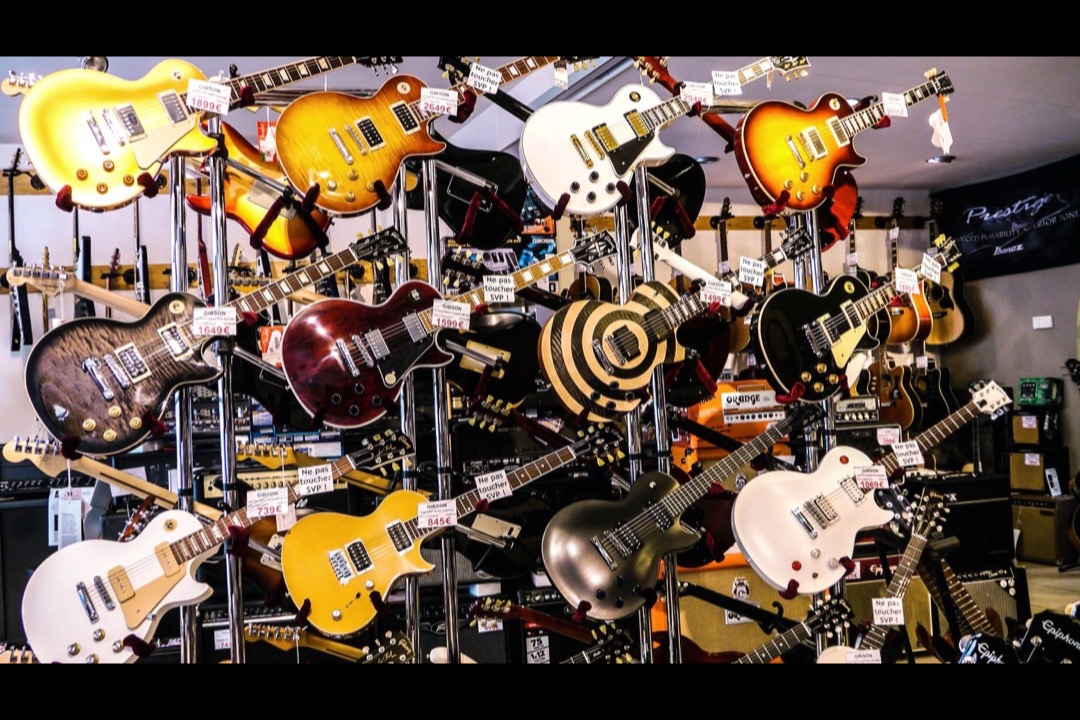
Ask ten guitarists to name the best electric guitar and you will get ten different answers, because they are secretly answering ten different questions. The metal player wants tight, aggressive humbuckers and a fast neck. The country picker wants Telecaster twang. The blues player wants a warm, singing humbucker or a semi-hollow’s airy bloom. The beginner-plus player wants the most guitar their money can buy without the beginner-era headaches of dead frets and tuners that will not hold. There is no single best electric guitar — there is only the best electric guitar for the sound in your head, your hands, and your budget.
So I approached this roundup the way I approached buying inventory as a gear buyer: not “which guitar is best” but “which guitar is best for each kind of player,” across every budget from a sub-$250 step-up to a USA-built Fender. I evaluated nine instruments on build quality, tone, playability, and how honestly each one serves a specific player, and I matched each to a clear role. Whether you want a do-everything workhorse, a metal machine, a twangy Tele, a warm semi-hollow, or a short-scale guitar for smaller hands, one of these nine is built for you. As you read, it is worth browsing our full guitars category for how these fit the wider range, and if you are chasing a specific rig, our amps and effects category is where the other half of your tone lives.
| Product | Price | Buy |
|---|---|---|
| PRS SE Custom 24 ExclusiveBest Overall | $849.00 | View on Amazon |
| Jackson JS Series Dinky JS11Budget Pick | $209.99 | View on Amazon |
| Fender American Professional II TelecasterPremium Pick | $1,639.99 | View on Amazon |
| ESP LTD Eclipse EC-256Runner-Up | $499.95 | View on Amazon |
| Epiphone Les Paul-100 E1Runner-Up | $269.00 | View on Amazon |
| Squier Classic Vibe '50s TelecasterRunner-Up | $499.99 | View on Amazon |
| Ibanez Artcore AS73Runner-Up | $499.99 | View on Amazon |
| Ibanez RG MiKro GRGM21Runner-Up | $209.99 | View on Amazon |
| Yamaha Pacifica PAC112VRunner-Up | $359.99 | View on Amazon |
Find the Best Electric Guitar for Your Need
Jump straight to the guitar that fits how you play:
- Best electric guitars overall
- Best electric guitar under $500
- Best electric guitar under $1,000
- Best electric guitar for metal
- Best electric guitar for blues
- Best semi-hollow electric guitar
- Best electric guitar for small hands
- Best budget electric guitar
- More use cases
How We Tested and Evaluated These Guitars
Every guitar in this roundup was selected on a verified, active Amazon listing, a real owner-review base, a genuine brand pedigree, and a clear fit for a specific kind of player. I drew on twenty years of playing and a gear-buyer’s eye for what actually matters once a guitar is in your hands: neck comfort, fret work, tuning stability, tonal range, and how well the instrument serves the genre it is built for. I cross-referenced hundreds of owner reviews for the recurring pain points — tuners that slip, frets that buzz, electronics that hum — and weighted body shape, scale length, and pickup layout against the styles each guitar targets. Guitars from unverified sellers or with thin, suspicious review histories were left out. I also re-check every listing on this page each month, because guitars behave differently from most Amazon categories: most of these ship from authorized pro-audio dealers like Sweetwater rather than from Amazon’s own warehouses, so a given finish often sits at only a handful of units in stock. That is normal for the category rather than a warning sign, but it does mean the specific colorway you want can disappear for a week and return, so if you have settled on one, it is worth buying when you see it rather than sitting on the decision. On the September 2026 re-check every one of the nine was still live and orderable at an unchanged price, but four of them were showing single-digit stock on the exact finish listed here, and both the Squier Telecaster and the Ibanez Artcore were down to a single unit. Because these are guitar-only listings rather than beginner kits, they assume you already own an amp; if you are a true first-timer, start with our best beginner electric guitars guide instead.
Best Electric Guitars Overall
These nine guitars span every budget and genre, but they share one thing: each is the honest best choice for the player it targets. Below, every guitar is reviewed once in full. Farther down, use-case sections pull the right two or three together so you can compare and decide fast for your specific need.
Best Overall: PRS SE Custom 24 Exclusive
If a player handed me their budget and asked for one guitar to cover everything, this is the one I would name. The PRS SE Custom 24 is the best all-around electric guitar on this page because it refuses to specialize — and does so without the compromises that usually come with a jack-of-all-trades. The heart of it is the HH pairing of the SE HFS bridge and Vintage Bass neck humbuckers, wired to a push-pull tone control that splits them into single-coils. That means one instrument delivers thick, driven humbucker gain for rock and fusion and spanky, glassy single-coil cleans for funk and pop, without you ever changing guitars.
What elevates it beyond “versatile” is the build. The beveled maple top, flame maple veneer, and bird inlays are the sort of details normally reserved for guitars costing far more, and PRS’s quality control across the SE line is consistent enough that you are not gambling on getting a good unit. That consistency is the whole reason the SE line earned its reputation: it took the intermediate tier seriously at a time when most brands treated it as an afterthought. The 25-inch scale length is a deliberate middle path between Fender’s tighter 25.5 inches and Gibson’s slinkier 24.75, giving you Fender-like clarity with a touch of Gibson-like ease.
Two honest notes. That 25-inch scale, while comfortable, feels subtly different coming from either a Strat or a Les Paul, so give your hands a session to recalibrate. And like any tremolo-equipped guitar, it rewards a proper setup — a good nut and careful string changes keep it in tune under heavy bends. Do that, and you have a guitar that holds its value, covers your whole record collection, and never becomes the thing holding you back.

PRS SE Custom 24 Exclusive
by PRS
The clearest all-around pick on this page -- a coil-splitting HH superstrat with premium fit and finish that genuinely covers rock, blues, and fusion in one instrument, with real resale value behind it.
Pros
- The single most versatile voice in this roundup -- the coil-splittable HH pairing moves convincingly from spanky single-coil cleans to thick rock and fusion gain, so one instrument covers most of what a player will ever ask of a guitar
- Fit and finish that reads two price tiers higher -- the beveled maple top, flame maple veneer, and bird inlays are details normally reserved for far pricier guitars, with consistent quality control across the SE line
- Backed by PRS's warranty and a genuine resale market -- because the SE Custom 24 is a recognized model, it holds value if you trade up, which lowers the real long-term cost of ownership
- The 25-inch scale is a deliberate middle ground -- Fender-like clarity and string definition with a touch of Gibson-like ease under the fingers
Cons
- The 25-inch scale is non-standard -- it feels subtly different coming from either a Strat or a Les Paul, so your muscle memory needs a brief recalibration
- The tremolo needs a proper setup to stay in tune under heavy bends -- budget for a setup rather than expect perfection out of the box
Best Budget: Jackson JS Series Dinky JS11
When a player has outgrown a beginner kit but is not ready to spend $500 yet, the Jackson JS11 Dinky is the smartest way to step up without wasting money. What makes it special at this price is the neck: the thin, fast Dinky profile is built for speed, and a player coming off a chunky starter guitar feels the difference immediately in how easily their hand moves across the fretboard. That alone makes practice more rewarding, which is the entire point of a step-up instrument.
Tonally, the JS11 earns its keep with two humbuckers that deliver real high-output crunch straight out of the box. This is not a thin-sounding budget single-coil guitar — it has the thick, driven voice that rock and metal players actually want, and it handles gain and palm muting without falling apart. Just as important, it arrives genuinely playable: usable frets, a straight neck, and hardware that holds together, which is not something you can assume from the cheapest no-name guitars. And it comes from Jackson, a brand with real metal pedigree, so you get credibility rather than a disposable copy.
Be clear-eyed about the compromises. The stock tuners and tremolo are the first things a gigging player will want to upgrade, and the basic pickups, while great for driven rock, are less articulate for nuanced clean work. Neither is a dealbreaker at this price — they are exactly the trade-offs you expect — and a forty-dollar setup makes the whole guitar play better. For the budget-minded step-up player, this is the value pick.

Jackson JS Series Dinky JS11
by Jackson
Real step-up quality above kit-tier guitars for under the price of most starter kits -- a fast Dinky neck and two humbuckers that take gain without breaking a sweat.
Pros
- A genuinely fast neck at a price that has no business feeling this good -- the thin Dinky profile is built for speed, so a player stepping up from a kit immediately feels how easily their hand moves
- Two humbuckers deliver real high-output crunch out of the box -- this is not a thin budget single-coil guitar; it has the thick, driven voice rock and metal players are chasing and takes gain without falling apart
- Playable straight out of the box, not a toy -- usable frets, a straight neck, and hardware that holds together, so a beginner-plus player can learn and gig on it rather than fight it
- The lowest entry price here from a real metal-pedigree brand -- Jackson's name carries genuine credibility with the players this guitar is aimed at
Cons
- The stock tuners and tremolo are the first upgrade targets -- fine for practice, but a gigging player will want better tuners and a more stable bridge
- The basic pickups limit tonal range -- great for driven rock and metal, less articulate for nuanced clean work, which is the expected compromise at this price
Best Premium: Fender American Professional II Telecaster
For the committed player ready to buy the guitar they will keep for a career, the Fender American Professional II Telecaster is the instrument worth the jump. This is a genuine USA-built Fender, made in Corona, California to the company’s top production standard, and every part of it reflects that: the wood selection, the fret work, and the overall build are a real step beyond the import tiers. It is the Telecaster you buy once.
The magic is in the V-Mod II single-coils, which are widely praised for their clarity and range. They deliver that unmistakable Telecaster twang and bite with more articulation and less harshness than lesser Tele pickups, which is why this one guitar sits equally well on a country stage, in a rock mix, and on a session where you need a clean, cutting rhythm tone. The Deep C neck profile with rolled fingerboard edges feels broken-in from the very first day, and the compensated brass saddles make intonation and tuning stability genuinely excellent. It ships through Amazon from an authorized dealer with full Fender warranty coverage, so a serious purchase is properly protected.
The caveats are simply the nature of the tier. This is a significant price jump from the rest of the lineup, so it only makes sense for a player who already knows a Telecaster is their instrument — not for someone still exploring body shapes. And USA Fenders move in small quantities on Amazon, so a specific colorway may sell out and require patience. If you are ready to invest, this is a career-length guitar that will never be the limiting factor in your playing.
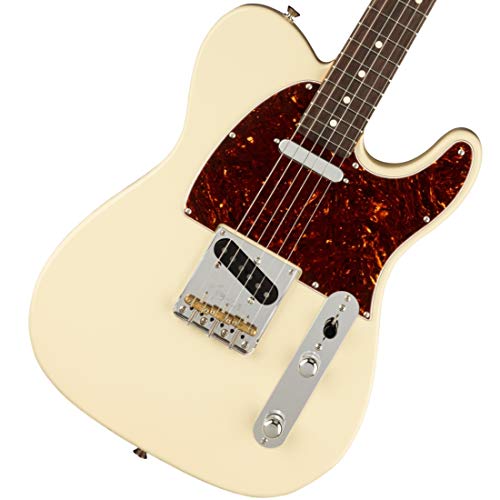
Fender American Professional II Telecaster
by Fender
A genuine American-made Fender for the player ready to invest in a career-length instrument -- V-Mod II clarity and a broken-in Deep C neck in the definitive workhorse Tele.
Pros
- A genuine USA-built Fender -- made in Corona, California to Fender's top production standard, so the wood selection, fret work, and build are a real step beyond the import tiers; the guitar you buy once and keep
- The V-Mod II single-coils are praised for clarity across the whole range -- unmistakable Tele twang and bite with more articulation and less harshness than lesser Tele pickups
- The Deep C neck with rolled fingerboard edges feels broken-in from day one -- and the compensated brass saddles make intonation and tuning stability genuinely excellent
- Ships through Amazon from an authorized dealer with real warranty coverage -- a legitimate new instrument with Fender's warranty and standard return protection
Cons
- A significant price jump from the rest of the lineup -- it only makes sense for a committed player who knows a Telecaster is their instrument
- Stock is limited per colorway -- USA Fenders move in small quantities on Amazon, so a specific finish may require patience or a color swap
Best for Metal: ESP LTD Eclipse EC-256
For high-gain and metal, the ESP LTD Eclipse EC-256 is the guitar that delivers the most instrument for the money. The headline feature is its set-neck construction, which is genuinely rare at this price — the glued-in neck joint (rather than a bolted-on neck) improves sustain and upper-fret access, and it is the single thing that makes the EC-256 feel like a far more expensive guitar the moment you play it. Combined with the mahogany body, it gives you the long, singing sustain that heavy music lives on.
The ESP-designed LH-150 humbuckers are voiced for exactly this job. They stay tight and defined under heavy distortion where cheaper pickups turn to mush, handling palm-muted chugging and high-gain leads cleanly. The premium touches keep coming for the price: headstock binding, a three-piece mahogany neck, and a proper Tune-O-Matic bridge, all without demanding the four-figure price of ESP’s flagship EC-1000. With more than 300 consistent owner reviews behind it, the build quality is a known quantity rather than a roll of the dice.
The honest limits: the passive LH-150 pickups are good rather than extreme-metal-elite, so some players eventually swap them for active EMG or Fishman pickups if they chase the most aggressive modern tones — though the stock set is perfectly gig-ready as delivered. And the mahogany single-cut body is heavier than a superstrat, so a wide, comfortable strap is worth it for long standing sets. For a rhythm-focused metal or hard-rock player who wants set-neck sustain without overspending, this is the pick.

ESP LTD Eclipse EC-256
by ESP LTD
Set-neck sustain and tight, metal-ready humbuckers without stepping up to the four-figure EC-1000 -- the smart high-gain pick for rhythm players.
Pros
- Set-neck construction at this price is genuinely rare -- the glued-in neck joint improves sustain and upper-fret access and makes the EC-256 feel like a far more expensive guitar the moment you play it
- The ESP-designed LH-150 humbuckers handle high-gain and palm muting cleanly -- they stay tight and defined under heavy distortion where cheaper pickups turn to mush
- Premium touches that punch above the tier -- headstock binding, a three-piece mahogany neck, and a proper Tune-O-Matic bridge, without the four-figure EC-1000 price
- A deep, consistent review base -- more than 300 owner ratings at a strong average mean the quality control is a known quantity rather than a gamble
Cons
- The passive pickups are good, not extreme-metal-elite -- some players eventually swap them for active EMG or Fishman pickups, though the stock LH-150s are gig-ready as delivered
- It is a heavier guitar than a superstrat -- the mahogany single-cut body has real heft, so factor in a wide, comfortable strap for long standing sets
Best for Blues & Classic Rock: Epiphone Les Paul-100 E1
If the music that made you pick up a guitar is warm, driven, and guitar-forward, the Epiphone Les Paul-100 delivers that classic Les Paul growl at a fraction of Gibson pricing. The 700T and 650R humbuckers produce the thick, midrange-forward voice that defines blues, classic rock, and southern rock — the woody sustain and singing lead tone that a Strat-style single-coil guitar simply cannot replicate. Plug it into an amp with a little breakup and you are immediately in the territory of the records that built rock and roll.
Two things make it a standout value. First, the tonewoods are the real deal: a mahogany body with a maple top, the same recipe as far pricier Les Pauls, which is why notes bloom and ring with genuine sustain. Second, it has by far the deepest review base of any guitar on this page — hundreds upon hundreds of owner ratings — making it one of the most proven budget electrics on the market. The 24.75-inch Gibson-style scale, with its lower tension and slightly closer frets, is also easy on the hands, which suits smaller-handed players and anyone who finds a longer scale a stretch.
The trade-offs are the classic Les Paul ones. It is neck-heavy and can dive toward the headstock on a strap, which a grippy strap solves, and the stock pickups are a touch muddier than higher Epiphone tiers — they nail the warm classic-rock voice but lack some top-end sparkle, making a pickup swap a common and rewarding upgrade down the line. For the blues and classic-rock player on a budget, nothing here gets you closer to that iconic sound for the money.
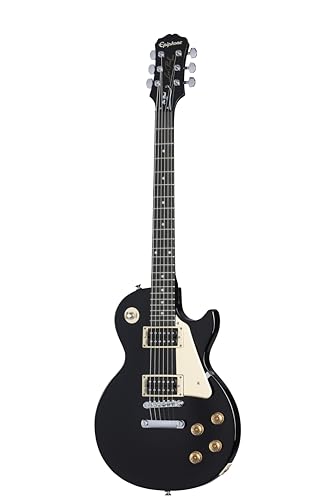
Epiphone Les Paul-100 E1
by Epiphone
The woody, humbucker-driven Les Paul growl that blues and classic-rock players want, backed by one of the deepest review bases in the entire budget category.
Pros
- The classic warm, thick Les Paul humbucker growl at a fraction of Gibson pricing -- the midrange-forward voice that defines blues, classic rock, and southern rock, which a single-coil guitar simply cannot produce
- By far the deepest review base of any guitar on this page -- hundreds upon hundreds of owner ratings make it one of the most proven budget electrics on the market
- Real mahogany body with a maple top delivers genuine sustain -- the same tonewood recipe as far pricier Les Pauls, so notes bloom and ring out
- The 24.75-inch scale is easy on the hands -- lower tension and closer frets make bends and chords more comfortable for smaller hands and long sessions
Cons
- Neck-heavy balance -- like nearly every Les Paul it can dive toward the headstock on a strap, which a grippy strap solves but which is worth expecting
- The stock pickups are muddier than higher Epiphone tiers -- they nail the warm classic-rock voice but lack some top-end sparkle, and a pickup swap is a common upgrade
Best Telecaster-Style: Squier Classic Vibe ’50s Telecaster
For authentic Telecaster twang without a Fender-USA price, the Squier Classic Vibe ’50s Telecaster is the mid-range guitar to beat. The Fender-designed Alnico single-coils deliver the bright, cutting bite that country, indie, and roots-rock players chase, and countless owners describe it as landing surprisingly close to a genuine Fender-USA Tele for half the money. That twang is the whole reason the Telecaster has stayed in production for seventy years, and the Classic Vibe captures it faithfully.
Beyond the tone, this guitar nails the details. The vintage-tint gloss maple neck, nickel hardware, and period-correct styling make it feel like a real slice of 1950s Fender rather than a modern budget compromise, and the enormous, consistent owner review base tells you the build quality is dependable rather than a lucky draw. The 25.5-inch scale and hard-tail bridge also give it rock-solid tuning stability — with no tremolo to knock things out of tune, it holds pitch reliably, a genuine advantage for gigging and recording.
The honest notes: the stock pickups are bright, and players wanting a warmer voice sometimes swap the bridge pickup, though many love the brightness exactly as it is — it is a Tele, after all. And the pine-body variant is lighter and a touch less resonant than a denser alder Tele, which is a character difference rather than a flaw. For the player who wants that unmistakable Tele spank on a real-world budget, this is the one.

Squier Classic Vibe '50s Telecaster
by Squier by Fender
Near-Fender-USA twang at half the price -- the mid-range Telecaster to beat for country, indie, and classic-rock players who want authentic bite.
Pros
- Authentic Telecaster twang that punches far above its price -- the Fender-designed Alnico single-coils deliver the bright, cutting bite country, indie, and roots-rock players chase, close to a Fender-USA Tele for half the money
- A huge, consistent owner review base -- the Classic Vibe line is one of the most beloved value series in guitar, and the depth of feedback signals dependable build quality
- Vintage-authentic styling and hardware -- the vintage-tint gloss maple neck and nickel hardware make it feel like a real slice of 1950s Fender rather than a modern compromise
- The 25.5-inch scale and hard-tail bridge give rock-solid tuning stability -- no tremolo to knock things out of tune, which is a real advantage for gigging and recording
Cons
- The stock pickups are bright and can feel thin to some -- it is a genuinely twangy Tele, and players wanting warmth sometimes swap the bridge pickup, though many love it as is
- The pine-body variant is lighter and a touch less resonant than an alder Tele -- a character difference rather than a flaw, worth knowing if you prefer a denser feel
Best Semi-Hollow & Jazz: Ibanez Artcore AS73
For jazz, blues, and rockabilly players who want a genuinely different voice from any solid body, the Ibanez Artcore AS73 opens the door to semi-hollow warmth at an accessible price. The Classic Elite humbuckers and semi-hollow body deliver an airy, resonant, woody tone — notes have a bloom and dimension that a solid body cannot produce, which is exactly what makes this the choice for warm jazz comping and expressive blues leads. It is the sound of the classic double-cutaway archetype without the Gibson price tag.
What makes it punch above its price is the control layout and the hardware. Two volumes, two tones, and a three-way selector let you roll the neck pickup back into a round, dark jazz voice or lean on the bridge for a blues bark without ever touching the amp. The Gibraltar Performer bridge supports rich sustain and holds tuning, and the Quik Change III tailpiece means a broken string mid-set gets swapped in seconds rather than threaded through the body. The set-in neck and 24.7-inch scale slacken string tension just enough to make bends and wide chord voicings easier than they are on a 25.5-inch Fender.
Keep the caveats in mind. Even a semi-hollow is more feedback-prone at high stage volume than a solid body — that is inherent to the design, not a flaw, and a high-gain player pushing loud amps will find it less forgiving. The Classic Elite pickups are voiced warm and moderate-output, which is exactly right for jazz and blues but compresses under heavy gain. And no case is included, so budget for one. For the player chasing that warm, airy semi-hollow voice without a Gibson budget, the AS73 is the accessible way in.

Ibanez Artcore AS73
by Ibanez
Classic ES-style warmth in an accessible, well-appointed semi-hollow -- the way into that airy jazz-and-blues voice without a Gibson price.
Pros
- Warm, woody semi-hollow tone at a fraction of a Gibson ES price -- the Classic Elite humbuckers and semi-hollow body deliver the airy, resonant voice jazz, blues, and rockabilly players prize
- Full 2-volume, 2-tone, 3-way controls give you the whole range in one guitar -- roll the neck pickup back for round jazz comping, or lean on the bridge for a blues bark
- The Gibraltar Performer bridge and Quik Change III tailpiece are unusually good hardware at this price -- rich sustain, stable tuning, and mid-set string changes without threading through the body
- A set-in neck and 24.7-inch scale make it comfortable for jazz and blues -- the shorter scale slackens tension for easier bends and wide chord voicings
Cons
- Still feedback-prone at high stage volume -- inherent to any semi-hollow design, so a high-gain player pushing loud amps will find it less forgiving than a solid body
- The Classic Elite humbuckers are voiced warm and moderate-output -- right for jazz, blues, and classic rock, but they compress under heavy gain
- No case or gig bag included -- budget for one on top of the guitar
Best for Small Hands: Ibanez RG MiKro GRGM21
For younger players and adults with smaller hands, the Ibanez RG MiKro is the short-scale electric that actually plays like a real guitar. Its genuinely short 22-inch scale is the key: the reduced string length and closer fret spacing make it dramatically easier to fret chords cleanly and reach across the neck, removing the physical struggle that makes a full-size guitar discouraging for a small hand. Crucially, Ibanez built this to true RG standards, so it feels like a proper instrument rather than the flimsy novelty that plagues the short-scale category.
That quality shows in the numbers: the MiKro has the best review base of any short-scale electric on Amazon, hundreds of owner ratings at a strong average, which lets a parent or a smaller-handed adult buy it with real confidence. The single bridge humbucker keeps things simple and gig-usable, delivering a focused rock voice without complex switching, and the F106 fixed bridge with individual saddles holds tuning reliably — there is no tremolo to knock it out of pitch, which matters most for the beginners this guitar suits.
The trade-offs fit the mission. One pickup means limited tonal range — there is no neck pickup for warmer tones, so it is built for focused rock rather than genre-hopping versatility. And the 22-inch scale means standard-length strings need trimming, and the slinkier feel takes a session to adapt to if you are sizing down from a full-scale guitar. For a smaller player who wants real build quality in a guitar that fits them, nothing else at this price comes close.

Ibanez RG MiKro GRGM21
by Ibanez
The best-reviewed short-scale electric on Amazon -- a real 22-inch-scale RG for younger players and smaller hands that plays like a full-size guitar.
Pros
- A genuinely short 22-inch scale that plays like a real guitar, not a toy -- the reduced string length and closer fret spacing make it dramatically easier for smaller hands and younger players to fret cleanly
- The best-reviewed short-scale electric on Amazon -- hundreds of owner ratings at a strong average make it the proven choice in a category full of flimsy novelties
- A simple, gig-usable single humbucker -- a focused rock voice with no complex switching, exactly right for a player sizing down
- A fixed bridge with individual saddles holds tuning well -- no tremolo to knock it out of tune, which matters most for the beginners and younger players it suits
Cons
- One pickup means limited tonal range -- there is no neck pickup for warmer tones, so it is built for focused rock rather than genre-hopping
- The 22-inch scale needs care with strings -- standard-length strings require trimming, and the slinkier feel takes a moment to adapt to from full scale
Best HSS All-Rounder: Yamaha Pacifica PAC112V
The Yamaha Pacifica PAC112V has been the guitar community’s smart-money recommendation for decades, and it earns that status by doing nearly everything well. The secret is its HSS pickup layout paired with a 5-way switch and a coil-tap: it covers Strat-style single-coil quack and full humbucker crunch in one instrument, so it genuinely handles pop, funk, blues, and rock without asking you to compromise. For a player who wants one flexible guitar rather than a specialist, this is as versatile as it gets at the price.
What separates the 112V from cheaper Pacifica tiers is the solid alder body — a real, resonant tonewood used on far pricier guitars, rather than the budget agathis found lower in the line. That gives it a balanced, full voice that punches above its bracket, and combined with the contoured superstrat body and smooth neck, it is genuinely comfortable to play for long sessions. Its place among the very best-selling solid-body electrics anywhere is not an accident; it is what happens when a guitar nails value, versatility, and consistency all at once.
The predictable ceilings: the stock pickups, while genuinely good for the price, are a common long-term upgrade target for serious players who want to squeeze out more character, and the vintage tremolo needs a proper setup to stay stable. Neither undercuts the core value. Whether it is a first serious guitar or a do-everything second instrument, the Pacifica 112V remains one of the smartest purchases in this entire roundup.

Yamaha Pacifica PAC112V
by Yamaha
One of the best-selling solid-body electrics anywhere -- Strat quack and humbucker crunch in one alder-bodied, coil-tapping do-everything instrument.
Pros
- One of the most versatile pickup layouts at this price -- the HSS configuration with a 5-way switch and coil-tap covers single-coil quack and full humbucker crunch, handling pop, funk, blues, and rock without compromise
- A near-legendary value reputation -- the Pacifica 112 has been the smart-money all-rounder for decades, and its consistent build is why it sits among the best-selling solid-body electrics anywhere
- A solid alder body, not the cheaper agathis of lower Pacifica tiers -- a real, resonant tonewood that gives it a balanced, full voice above its price bracket
- Comfortable, beginner-to-intermediate-friendly ergonomics -- the contoured superstrat body and smooth neck make it easy to play for long sessions
Cons
- The stock pickups are a common long-term upgrade target -- genuinely good for the price, but serious players often swap them eventually for more character
- The vintage tremolo needs a proper setup to stay stable -- like any traditional trem, it rewards a good setup and careful string changes
Best Electric Guitar Under $500
Under $500 is the value sweet spot where beginner-era problems start to disappear, and three guitars here cover the main directions a player might go. If you want maximum versatility, the Yamaha Pacifica’s HSS layout does the most; if you want warm humbucker tone, the Epiphone Les Paul-100 is the pick; if you want classic twang, the Squier Telecaster delivers it.
| Product | Price | Buy |
|---|---|---|
| Yamaha Pacifica PAC112VBest all-rounder HSS versatility covers nearly every style in one guitar | $359.99 | View on Amazon |
| Epiphone Les Paul-100 E1Best for warm tone Warm Les Paul humbucker growl for blues and classic rock | $269.00 | View on Amazon |
| Squier Classic Vibe '50s TelecasterBest for twang Authentic Telecaster bite for country and indie | $499.99 | View on Amazon |
Best Electric Guitar Under $1,000
Step up toward the four-figure line and the build quality climbs noticeably. In this bracket the PRS SE Custom 24 is the do-everything standout, the ESP LTD Eclipse brings set-neck sustain for metal, and the Ibanez Artcore AS73 offers a semi-hollow voice you cannot get from a solid body.
| Product | Price | Buy |
|---|---|---|
| PRS SE Custom 24 ExclusiveBest overall Coil-splitting HH versatility with premium fit and finish | $849.00 | View on Amazon |
| ESP LTD Eclipse EC-256Best for metal Set-neck sustain and tight, high-gain humbuckers | $499.95 | View on Amazon |
| Ibanez Artcore AS73Best semi-hollow Warm, airy semi-hollow tone for jazz and blues | $499.99 | View on Amazon |
Best Electric Guitar for Metal
For high-gain playing, tight humbuckers and a fast, stable platform matter most. The ESP LTD Eclipse is the purpose-built pick with its set-neck sustain, the Jackson JS11 is the budget metal machine, and the PRS SE Custom 24 handles metal while staying versatile enough for everything else.
| Product | Price | Buy |
|---|---|---|
| ESP LTD Eclipse EC-256Best for metal Set-neck mahogany sustain and tight LH-150 humbuckers | $499.95 | View on Amazon |
| Jackson JS Series Dinky JS11Best budget metal Fast Dinky neck and high-output humbuckers on a budget | $209.99 | View on Amazon |
| PRS SE Custom 24 ExclusiveMost versatile Covers metal and everything else in one guitar | $849.00 | View on Amazon |
Best Electric Guitar for Blues
Blues rewards warmth and expressive sustain, whether from a thick humbucker or an airy semi-hollow. The Epiphone Les Paul-100 is the classic blues-rock voice, the Ibanez Artcore AS73 adds semi-hollow bloom, and the Squier Telecaster brings the brighter, snappier blues bite.
| Product | Price | Buy |
|---|---|---|
| Epiphone Les Paul-100 E1Best for blues Warm, singing Les Paul humbucker tone at a budget price | $269.00 | View on Amazon |
| Ibanez Artcore AS73Best semi-hollow blues Airy semi-hollow warmth for expressive leads | $499.99 | View on Amazon |
| Squier Classic Vibe '50s TelecasterBest for blues twang Bright Tele bite for snappy blues and roots | $499.99 | View on Amazon |
Best Semi-Hollow Electric Guitar
Semi-hollow tone — airy, warm, and resonant — is a distinct voice most roundups skip, even though players actively seek it. The Ibanez Artcore AS73 is the clear semi-hollow pick here; if you love that warmth but play at high volume where feedback is a concern, the solid-body Epiphone Les Paul-100 is the humbucker alternative that stays controllable.
| Product | Price | Buy |
|---|---|---|
| Ibanez Artcore AS73Best semi-hollow True semi-hollow warmth with full 2-volume, 2-tone control | $499.99 | View on Amazon |
| Epiphone Les Paul-100 E1Best solid-body alternative Similar warm humbucker voice without the feedback risk at volume | $269.00 | View on Amazon |
Best Electric Guitar for Small Hands
Smaller hands and younger players are best served by a shorter scale and easy neck feel. The Ibanez MiKro’s genuine 22-inch scale is the standout; for an adult with smaller hands who still wants a full-size instrument, the 24.75-inch Epiphone Les Paul-100 lowers tension without going short-scale.
| Product | Price | Buy |
|---|---|---|
| Ibanez RG MiKro GRGM21Best true short scale A real 22-inch scale that plays like a full guitar | $209.99 | View on Amazon |
| Epiphone Les Paul-100 E1Best full-size for smaller hands A comfortable 24.75-inch scale with lower string tension | $269.00 | View on Amazon |
Best Budget Electric Guitar
If your ceiling is around $250, three guitars here deliver real quality without the beginner-kit compromises. The Jackson JS11 is the fast, humbucker-loaded all-rounder, the Ibanez MiKro is the short-scale value pick, and the Epiphone Les Paul-100 gets you genuine warm humbucker tone.
| Product | Price | Buy |
|---|---|---|
| Jackson JS Series Dinky JS11Best budget overall Fast neck and two humbuckers that take gain well | $209.99 | View on Amazon |
| Ibanez RG MiKro GRGM21Best budget short scale A quality short-scale guitar for smaller players | $209.99 | View on Amazon |
| Epiphone Les Paul-100 E1Best budget for blues Classic Les Paul warmth at a budget price | $269.00 | View on Amazon |
Best Electric Guitars by Use Case
A few more directions worth calling out. Each of these guitars is reviewed in full above — here is the quick map for a handful of specific players, from the country picker to the intermediate stepping up.
| Product | Price | Buy |
|---|---|---|
| Squier Classic Vibe '50s TelecasterBest for country Bright Telecaster twang built for country and roots | $499.99 | View on Amazon |
| Ibanez Artcore AS73Best for jazz Warm semi-hollow bloom for comping and jazz leads | $499.99 | View on Amazon |
| PRS SE Custom 24 ExclusiveBest for intermediate players Do-everything build quality for the stepping-up player | $849.00 | View on Amazon |
| Fender American Professional II TelecasterBest premium Telecaster USA-built V-Mod II clarity for the committed buyer | $1,639.99 | View on Amazon |
| Yamaha Pacifica PAC112VBest for rock & versatility HSS flexibility that covers rock and much more | $359.99 | View on Amazon |
Buyer's Guide
I have spent twenty years with a guitar in my hands -- at Berklee, on stage and in the studio, and as a gear buyer who evaluated hundreds of instruments before they reached players. These are the six factors I weigh for every buyer, in the order that actually matters.
Body Shape and Musical Style
Start with the music you love, because body shape and pickup layout are tied to genre. A Stratocaster or superstrat (Pacifica, PRS SE) is the flexible all-rounder for blues, pop, funk, and most rock. A Les Paul or single-cut (Epiphone Les Paul-100, ESP Eclipse) delivers the thick, warm tones of classic rock and metal. A Telecaster (Squier Classic Vibe) is the twang machine for country and indie. A semi-hollow (Ibanez Artcore AS73) brings airy warmth for jazz and blues. Match the guitar to the records that made you want to play, and you will reach for it more often.
Pickup Type: Single-Coil vs Humbucker vs HSS
Pickups shape your tone more than anything else. Single-coils (SS) are bright, clear, and articulate -- ideal for clean, funk, country, and blues tones, with a faint hum at high gain. Humbuckers (HH) are thick, warm, loud, and hum-free -- ideal for rock and metal. An HSS layout like the Pacifica's combines both, the most future-proof choice if you are still exploring genres. Pick the layout that matches the sounds in your head, and remember the amp matters just as much as the pickups for the final voice.
Scale Length and Neck Feel
Scale length is the distance the strings vibrate, and it changes how a guitar feels. A 25.5-inch scale (Fender family, Pacifica, Jackson) has tighter tension and brighter attack. A 24.75-inch scale (Gibson family, Epiphone, ESP) has lower tension and slightly closer frets, which many find easier for bends and chords. PRS splits the difference at 25 inches. For smaller hands or younger players, a genuine short scale like the Ibanez MiKro's 22 inches makes fretting dramatically easier. Neck feel is personal -- if you can, hold a guitar before you commit.
Tonewood and Construction
Wood and build method shape both tone and value. Mahogany (Les Paul, ESP Eclipse) is warm and resonant with long sustain; alder (Fender, Pacifica) is balanced and full; basswood and poplar (budget superstrats) are lighter and more neutral. Construction matters too: a set neck (glued in, like the ESP Eclipse) improves sustain and upper-fret access over a bolt-on, and is a genuine mark of quality at a given price. Laminated maple on a semi-hollow gives that airy, acoustic-tinged warmth. You do not need exotic woods to sound great, but the recipe explains why two guitars at the same price feel different.
Budget Tier and Where Quality Jumps
The cheapest no-name guitars are a false economy -- they often arrive so poorly built that they discourage you. Spend enough to get a real brand, and understand where quality jumps happen. Under about $250 (Jackson JS11, Ibanez MiKro) gets you a genuinely playable step-up. The $500 to $900 tier (PRS SE, Squier Classic Vibe, ESP Eclipse) is where beginner-era problems -- bad tuners, dead frets, cheap electronics -- almost entirely disappear. Above $1,000 (USA Fender) you pay for premium craftsmanship and resale value. Decide honestly how committed you are, then buy to that level.
Build Origin and Brand Tier
Most big models exist at several manufacturing tiers, and the difference is real. Within the Fender family you have USA-built (American Professional II), Mexican-made (Player II), and Squier import tiers; within Gibson's world you have Gibson USA and Epiphone. Higher tiers bring better wood selection, tighter fret work, and stronger resale, but modern imports from PRS SE, Squier Classic Vibe, and Epiphone are so good that most players are perfectly served without ever buying USA-built. Know which tier you are buying, and buy the highest one your budget and commitment justify.
How to Choose the Best Electric Guitar for You
The right electric guitar is the one that matches the music in your head, fits your hands, and sits within a budget you are comfortable with — in that order. Start with genre, because it points you straight at a body shape and pickup layout: humbuckers and a set neck for metal, a Telecaster for twang, a Les Paul or semi-hollow for warm blues and classic rock, an HSS superstrat if you want to do a bit of everything. Then factor in scale length and neck feel, which decide how the guitar physically plays for you — a shorter 24.75-inch or 22-inch scale is friendlier for smaller hands, while a 25.5-inch scale gives a tighter, brighter response.
Only then does budget come in, and the good news is that this is the best era ever to buy an affordable electric. The mid-priced import tier from PRS SE, Squier Classic Vibe, and Epiphone is so consistent that most players never need to buy a USA-built guitar to be perfectly happy. Whatever you choose, budget around forty dollars for a professional setup — it improves any guitar more than spending an extra hundred on the instrument would, and it removes the single biggest reason a new guitar feels disappointing. If you are still deciding between electric and acoustic, our guide to the best acoustic guitars covers the other side, and a fresh set of electric guitar strings is the cheapest upgrade that makes any guitar here play and sound better. Whichever neck you end up with, learn what is on it: our free guitar fretboard chart names every note in twelve tunings and plays them back, so the inlay dots stop being decoration. And since the cutaway and the upper frets are half of what you are paying for on an electric, put them to work — the free guitar triad chart covers every three-note shape up there, including the positions an acoustic makes a wrestling match.
Final Verdict
If you want one guitar to do everything, the PRS SE Custom 24 is the clearest best overall pick — versatile, beautifully built, and holding its value. On a tight budget, the Jackson JS11 is the smartest step-up under the price of most starter kits, and if you are ready to invest for a career, the USA-built Fender American Professional II Telecaster is the buy-once instrument. From there it comes down to your sound: the ESP LTD Eclipse for metal, the Epiphone Les Paul-100 for blues and classic rock, the Squier Classic Vibe Telecaster for twang, the Ibanez Artcore AS73 for warm semi-hollow tone, the Ibanez MiKro for smaller hands, and the Yamaha Pacifica for do-everything HSS versatility. Match the guitar to the player, get it set up, and you will have an instrument you reach for every day. New to playing entirely? Start with our best beginner electric guitars guide, then come back here when you are ready to step up.
Frequently Asked Questions
How much should I spend on an electric guitar?
What is the difference between single-coil and humbucker pickups?
Should I get a Stratocaster, a Les Paul, or something else for my first serious guitar?
What are the best electric guitar brands?
What is the best electric guitar for a complete beginner?
Is it safe to buy an electric guitar online, and what about third-party sellers?
Related Articles
About the Reviewer

Julian Reyes, MM, Berklee
M.M. Performance, Berklee College of Music
Julian Reyes is a multi-instrumentalist with a Master of Music from Berklee College of Music and over a decade gigging on guitar, bass, and keys. Before founding House of Octave, he spent years as a gear buyer for an independent music retailer, evaluating hundreds of instruments and audio products for the sales floor. He started House of Octave in 2026 to give players honest, hands-on reviews — judged by how gear actually sounds and holds up on stage and in the studio, not by spec sheets or sponsorships.