8 Best Beginner Acoustic Guitars of 2026
Berklee-trained teacher Julian Reyes (MM) reviews the 8 best beginner acoustic guitars of 2026 — matched by body size, top wood, scale length, and playability so you keep playing.
Updated
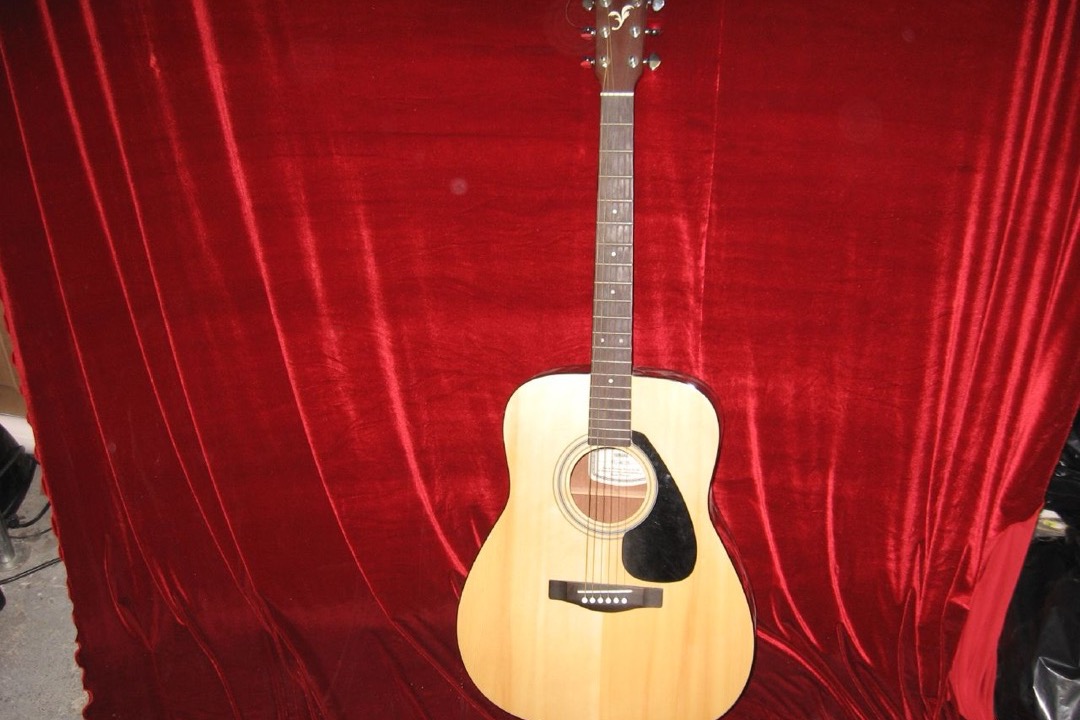
I have spent twenty years with a guitar in my hands — as a student at Berklee, as a multi-instrumentalist on stage and in the studio, as a gear buyer evaluating hundreds of instruments, and most relevant here, as a teacher who has handed a first acoustic guitar to more beginners than I can count. And the thing that surprised me most when I started teaching is this: the acoustic a beginner buys matters far less for its tone than for whether it lets them keep playing at all. The wrong first guitar — too big for their frame, set up with the strings sitting a mile off the fretboard, impossible to keep in tune — quietly convinces a new player that they have no talent, when in truth the instrument was fighting them the whole time.
So this roundup is not about which beginner acoustic sounds most like a record. It is about which one gets you, specifically, playing and keeps you playing. The best beginner acoustic guitar is the one that fits your hands and frame, matches the music you actually want to make, and arrives playable enough that you blame your fingers, not your gear, when a chord buzzes. I evaluated eight guitars across body size, top wood, scale length, string type, and what comes in the box, and I matched each one to a specific kind of new player. Whether you want a do-everything dreadnought, a solid-top guitar you will never outgrow, a kid-sized first instrument, a nylon-string that is gentle on sore fingers, or a compact acoustic-electric you can plug in, one of these eight is right for you. If you are still weighing acoustic against electric, it is worth reading our companion guide to the best beginner electric guitars, and browsing our full guitars category to see where these entry models sit in the wider range.
| Product | Price | Buy |
|---|---|---|
| Fender FA Series Dreadnought Acoustic Guitar BundleBest Overall | $179.99 | View on Amazon |
| Donner 41-inch Acoustic Guitar Bundle (DAG-1C)Budget Pick | $139.99 | View on Amazon |
| Yamaha FG820 Solid Top Acoustic GuitarPremium Pick | $389.99 | View on Amazon |
| Yamaha JR1 FG Junior 3/4 Size Acoustic GuitarRunner-Up | $189.99 | View on Amazon |
| Fender California Debut Redondo CE Acoustic-Electric GuitarRunner-Up | $178.99 | View on Amazon |
| Yamaha CGS103AII 3/4 Size Classical GuitarRunner-Up | $179.99 | View on Amazon |
| Fender CD-60S All-Mahogany Acoustic GuitarRunner-Up | $229.99 | View on Amazon |
| Yamaha APXT2 3/4-Size Acoustic-Electric GuitarRunner-Up | $229.99 | View on Amazon |
Find the Best Beginner Acoustic Guitar for Your Need
Jump straight to the guitar that fits you best:
- Best beginner acoustic guitars overall
- Best for adults
- Best for small hands
- Best cheap / budget
- Best acoustic-electric (plugs in)
How We Tested and Evaluated These Guitars
Every guitar in this roundup was selected on a verified, active Amazon listing, real owner-review volume, a genuine name-brand pedigree, and a clear fit for a specific kind of beginner. I drew on twenty years of playing and two decades of teaching to judge what actually matters for a first acoustic: neck comfort, the height of the action out of the box, tuning stability, body size relative to a learner’s frame, and how forgiving the instrument is while a beginner’s fingers are still toughening up. I cross-referenced hundreds of owner reviews focused on the recurring beginner pain points — action that is too high, tuners that will not hold, bodies that are too big for the player — and I weighted body shape, scale length, top wood, and string type against the music each guitar is built to serve. Guitars from unverified sellers or with thin, suspicious review histories were left out. The eight here represent the best first acoustic for every budget, body size, and musical direction.
Best Overall: Fender FA Series Dreadnought Bundle
When a student asks me what acoustic to buy and gives me nothing else to go on, this is the guitar I name. The Fender FA Series Dreadnought Bundle is the best beginner acoustic guitar for most people because it removes every excuse not to play. Everything you need arrives in one box — the guitar, a gig bag, a clip-on tuner, spare strings, picks, an instructional DVD, and three months of Fender Play — so a complete beginner can tune up and start their very first lesson the day the box lands. There is no second order, no waiting on a tuner to ship, no figuring out which accessories you forgot. That low friction is exactly what carries a new player through the fragile first week.
The instrument itself is a genuine Fender, and that pedigree matters more than beginners realize. Fender’s quality control means the neck profile and the fret work arrive consistent from unit to unit, so you are not gambling the way you do with anonymous brands that may ship with sharp fret ends or a twisted neck. The full-size dreadnought body produces the big, loud, projecting sound most beginners picture when they imagine an acoustic — it strums confidently for campfire songs and singer-songwriter material, which means a new player hears the kind of tone that keeps them coming back. The laminate-spruce top is the right call for a learner, too: it shrugs off the humidity swings and bumps of a first year far better than a delicate solid top, so the guitar survives being learned on.
My one piece of advice, which applies to every guitar on this list but especially to anything in this price tier: budget forty to sixty dollars for a professional setup. A good setup lowers the action and dials in the intonation, and it transforms how a starter acoustic feels under your fingers — acoustics ship with higher action than electrics, so this matters even more here. A well-set-up FA dreadnought plays better than a poorly-set-up guitar costing three times as much. Pair this bundle with a setup and a beginner has, genuinely, everything they need to learn. It is the recommendation I stand behind more than any other on this page.

Fender FA Series Dreadnought Acoustic Guitar Bundle
by Fender
The complete, no-compromise starter pack -- a genuine Fender dreadnought with the big projecting tone beginners want, bundled with a tuner, gig bag, and three months of Fender Play, so there is nothing else to buy before your first lesson.
Pros
- A genuine Fender pedigree with a real beginner bundle -- gig bag, clip-on tuner, spare strings, picks, an instructional DVD, and three months of Fender Play, so a complete beginner can tune up and start their first lesson the day the box arrives
- The full-size dreadnought body delivers the big, loud, projecting sound most beginners picture -- it strums confidently for campfire songs and singer-songwriter material, so a new player hears tone that keeps them motivated
- Fender's quality control means the neck profile and fret work arrive consistent from unit to unit -- you are not gambling on a no-name guitar with sharp fret ends or a twisted neck, the most common way a cheap first guitar discourages a beginner
- The laminate-spruce top shrugs off the humidity swings and bumps of a beginner's first year far better than a delicate solid top -- so the guitar survives being learned on
Cons
- The action often arrives a little high on dreadnoughts in this tier -- a forty-to-sixty-dollar setup drops it and makes fretting dramatically easier, but it is an extra step out of the box
- A full-size dreadnought is a big body and steel strings take real finger pressure -- smaller-framed players or those with tender fingers may prefer a concert body or nylon strings to start
Budget Pick: Donner 41-inch Acoustic Bundle (DAG-1C)
The Donner DAG-1C sits in the same price band as the Fender bundle, and the two swap places on price from week to week, so check both on the day you buy. What makes the Donner the budget-minded pick is how much certainty and kit it puts in the box. Start with the review base: well over 5,000 ratings holding a 4.5-star average is an enormous real-world sample, and on a budget instrument that volume matters more than it would on a premium one. It tells you the quality control is consistent across thousands of units, not just a handful of lucky reviewers. A cheap acoustic with a few glowing reviews is a gamble; a cheap acoustic with thousands of consistent ones is a known quantity.
The DAG-1C also wins on what comes in the box. Its accessory bundle is the most generous in this entire roundup — a gig bag, a tuner, a strap, extra strings, two capos, picks, a pickguard, and online lessons — which means a beginner gets everything they need to start and to keep playing without a single follow-up order. The cutaway dreadnought body delivers full-size projection while letting you reach the upper frets, and it is a comfortable, familiar shape that strums loud and clear. Tonally, the mahogany back and sides give it a warmer, rounder voice than an all-basswood budget guitar — a small but genuine upgrade that makes it more pleasant to practice on for long stretches, and pleasant-to-play is the whole game in the first six months.
Be clear-eyed about the trade-offs at this price. Tuning stability varies from unit to unit, so a forty-to-sixty-dollar setup to dial in the tuners and nut slots is money well spent, and the factory strings are mediocre — swapping to a fresh set of extra-light strings noticeably improves both tone and how easy the guitar is to fret. Those are cheap fixes. Do them, and the DAG-1C punches well above its price. If you want help choosing the strings, capos, and tuners that round out a guitar like this, our accessories and care category covers exactly what a new player needs alongside the instrument.

Donner 41-inch Acoustic Guitar Bundle (DAG-1C)
by Donner
The most-reviewed budget acoustic on Amazon -- a warm-voiced cutaway dreadnought with the most generous accessory bundle in this roundup, so a tight budget still buys everything you need on day one.
Pros
- One of the largest review bases of any budget acoustic on Amazon -- well over 5,000 ratings holding a 4.5-star average tells you the quality control is consistent across thousands of units, which matters most on a budget instrument
- The most generous accessory bundle in this roundup -- gig bag, tuner, strap, extra strings, two capos, picks, a pickguard, and online lessons, so a beginner gets everything to start and keep playing without a follow-up order
- The cutaway dreadnought body delivers full-size projection while letting you reach the upper frets -- a comfortable, familiar shape that strums loud and clear
- Mahogany back and sides give it a warmer, rounder voice than an all-basswood budget guitar -- a small but genuine tonal upgrade that makes it more pleasant to practice on for long stretches
Cons
- Tuning stability varies across units -- some hold pitch well, others need the tuners and nut slots dialed in, which a forty-to-sixty-dollar setup resolves and which is normal at this price
- The factory strings are mediocre -- a fresh set of extra-light strings noticeably improves both tone and how easy the guitar is to fret, a cheap worthwhile first upgrade
Upgrade Pick: Yamaha FG820 Solid Top
For the beginner who already knows they are committed, the Yamaha FG820 is the acoustic I tell them to buy once and never replace. The headline upgrade is right in the name: a genuine solid Sitka spruce top, which makes it the only solid-top guitar in this roundup. That is the biggest tonal jump you can buy at this level. A solid top vibrates more freely than the laminate tops on every other guitar here, so it sounds richer from day one, and it opens up, growing louder and warmer the more you play it over the years. A laminate top never does that.
What makes the FG820 a true buy-once instrument is Yamaha’s reputation. The FG line has been the benchmark for beginner-to-intermediate acoustics for decades, and the build consistency, fret work and neck feel are good enough that a motivated beginner who starts here skips the upgrade cycle entirely. Instead of buying a cheap guitar, outgrowing it and buying again, you learn from day one on an instrument you will keep well past the beginner stage. The mahogany back and sides give it a balanced, midrange-focused voice that stays clear when you strum and articulate when you fingerpick, and the diecast tuners and adjustable truss rod mean a tech can set the action low and it will stay there.
Be honest with yourself about the price. It costs roughly twice what the starter bundles above do, and it arrives as a guitar only, with no tuner, gig bag or accessories, so budget for those too. A solid top is also a little more sensitive to humidity than laminate, so it rewards a simple care habit like a case humidifier in dry winter months. And as with every guitar here, a professional setup out of the box makes it play its best. If you are sure you will keep playing, those are small prices for a guitar you will still own in ten years.
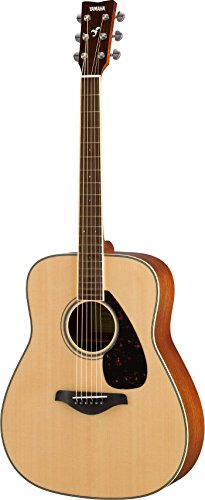
Yamaha FG820 Solid Top Acoustic Guitar
by Yamaha
The upgrade pick for the committed beginner: the only solid-top guitar in this roundup, with Yamaha's FG build quality behind it, so you skip the upgrade cycle and learn on a guitar that opens up as you play it.
Pros
- A genuine solid Sitka spruce top, the only solid-top guitar in this roundup, which is the biggest tonal upgrade you can buy at this level: a solid top vibrates more freely than laminate and opens up, growing louder and richer the more you play it
- Yamaha's FG line has a decades-long reputation as the benchmark for beginner-to-intermediate acoustics, and the build consistency, fret work and neck feel are good enough that a committed beginner keeps this guitar well past the beginner stage
- Mahogany back and sides give a balanced, midrange-focused voice that stays clear when strummed and articulate when fingerpicked, so the guitar grows with you as your playing branches out
- Diecast tuners and an adjustable truss rod hold tuning and let a tech set the action low and keep it there, which matters more to a learner's fingers than any tonewood
Cons
- Guitar only: no tuner, gig bag or accessories in the box, so budget separately for a clip-on tuner, a bag and a strap
- It costs roughly twice as much as the starter bundles here, so it only makes sense for a beginner who already knows they will stick with it
- A solid top is more sensitive to humidity than laminate, so it rewards basic care like a case humidifier in dry winter months, and like every acoustic here it benefits from a forty-to-sixty-dollar setup
Runner-Up: Yamaha JR1 FG Junior 3/4 Size
Buying a first acoustic for a young child is a different problem than buying one for an adult, and the most common mistake I see parents make is handing a five-year-old a full-size guitar. A full-size dreadnought is simply too big for a small body to wrap an arm around and too long for a small hand to fret cleanly, and a guitar that hurts and frustrates a child is the fastest possible way to kill their interest. The Yamaha JR1 solves that with a true 3/4-size body and a short 21.25-inch scale, scaled for hands and frames roughly aged 5 to 10 — and it works just as well for small-framed adults who find a full-size body a struggle.
Crucially, this is a real Yamaha-quality instrument scaled down, not a toy. It shares the voicing and build standards of Yamaha’s full-size FG line, so a child or small adult develops real technique on a proper guitar rather than building bad habits on a flimsy novelty. The smaller body produces a surprisingly full, warm tone for its size — it genuinely sounds like a real guitar, which keeps a young player or a travel-minded adult motivated in a way a tinny mini-guitar never could. It also comes with a gig bag and is light and easy to carry, which makes it a great couch or travel guitar and keeps it within arm’s reach, lowering the friction that stalls a beginner’s first month.
Set expectations honestly: the short scale and small body mean an average-size adult will likely outgrow it for serious long-term playing, so think of it as a child’s first guitar or a dedicated travel instrument rather than a forever guitar. Accessories beyond the gig bag are minimal, so add a clip-on tuner, and a quick setup still helps it play its best. When a child is ready to step up to a full-size instrument, our guitars category covers exactly the options they will graduate into.

Yamaha JR1 FG Junior 3/4 Size Acoustic Guitar
by Yamaha
The pick for kids and small frames -- a genuine 3/4-size Yamaha with a warm, full voice and a real instrument's build, scaled so small hands can actually play it, with a gig bag included.
Pros
- A true 3/4-size body purpose-built for kids roughly aged 5 to 10 and for small-framed adults -- the shorter 21.25-inch scale and compact shape let small hands reach the frets and hold the guitar comfortably instead of fighting a full-size body
- It is a real Yamaha-quality instrument scaled down, not a toy -- it shares the voicing and build standards of Yamaha's full-size FG line, so a child or small adult develops real technique on a proper guitar
- The smaller body produces a surprisingly full, warm tone for its size -- it sounds like a real guitar, which keeps a young player or travel-minded adult motivated where a tinny mini-guitar never could
- It comes with a gig bag and is light and portable -- easy for a child to carry, easy to take on trips, and easy to keep within arm's reach, which lowers the friction that stalls a beginner's first month
Cons
- The short scale and small body mean an average-size adult will likely outgrow it for serious long-term playing -- best as a child's first guitar or a dedicated travel/couch guitar
- Accessories beyond the gig bag are minimal -- add a clip-on tuner and possibly a strap, and a quick setup still helps it play its best
Runner-Up: Fender California Debut Redondo CE
If you are a beginner who already daydreams about plugging in — playing through an amp at home or stepping up to an open-mic PA — the Fender California Debut Redondo CE is the smartest first acoustic to buy, because it is the lowest-cost genuine acoustic-electric in this roundup. The built-in pickup means you will not have to buy a second guitar later when the urge to perform arrives. That is real future-proofing at a true entry price, and it is exactly the kind of decision that saves a committed beginner money down the line.
There is a quietly brilliant beginner feature here too: the onboard tuner. Because it is built right into the guitar, a new player can tune accurately at any time without owning a separate clip-on tuner — and tuning is one of the most common stumbling blocks for someone just starting out. A guitar that tunes itself, in effect, removes that friction. The dreadnought body delivers full, confident acoustic projection unplugged, so it works perfectly well as a pure practice guitar, and the amplified tone is usable enough for a first nervous performance. You also get the Fender pedigree, a 2-year warranty, and three months of Fender Play to carry you through the critical first weeks.
The trade-offs are simply what you would expect at this price: the onboard electronics are basic, so the plugged-in tone is serviceable for practice and small gigs rather than studio-grade, and like every acoustic in this tier the action benefits from a professional setup while the factory strings are worth swapping for a fresh extra-light set. None of that changes the core value — for the beginner who wants the option to plug in without spending more, this is the one. When you are ready to add an amp, our amps and effects category is where I would point you to choose one deliberately.

Fender California Debut Redondo CE Acoustic-Electric Guitar
by Fender
The pick for the beginner who wants to plug in -- the lowest-cost genuine acoustic-electric here, with a built-in pickup and an onboard tuner, backed by Fender's warranty and three months of Fender Play.
Pros
- The lowest-cost genuine acoustic-electric here -- a built-in pickup and onboard tuner mean a beginner who dreams of plugging into an amp or open-mic PA can do it without buying a second guitar later, real future-proofing at an entry price
- The onboard tuner is a quietly brilliant beginner feature -- built into the guitar, so a new player can tune accurately at any time without owning a separate clip-on tuner, removing a common stumbling block
- Backed by a Fender pedigree, a 2-year warranty, and three months of Fender Play -- genuine name-brand quality control plus a structured learning path through the critical first weeks
- The dreadnought body delivers full acoustic projection unplugged and a usable amplified tone plugged in -- so it works for living-room practice and a first nervous performance alike
Cons
- The onboard electronics are basic at this price -- the plugged-in tone is serviceable for practice and small gigs but will not match a more expensive acoustic-electric, exactly what you would expect at this entry point
- Like every acoustic in this tier, the action benefits from a professional setup, and the factory strings are worth swapping for a fresh extra-light set
Runner-Up: Yamaha CGS103AII Nylon String
Here is a recommendation that surprises a lot of adult beginners: nylon strings are not just for kids and classical players. The Yamaha CGS103AII is the guitar I reach for when an adult student is on the verge of quitting from finger pain, because nylon strings are the gentlest possible choice on a beginner’s hands. They take far less pressure to fret than steel and do not bite into soft fingertips, which means a new player can form chords and build calluses without the discouragement of stiff, painful steel strings in the first few weeks. A guitar you can play without pain is a guitar you will keep picking up.
The CGS103AII reinforces that beginner-friendly character in its build. The 3/4 size and short 22.8-inch scale make it easy to hold and easy to fret, so it suits kids, small-framed adults, and anyone who finds a full-size steel-string a reach — the guitar fits the body rather than fighting it. It is also a true classical guitar rather than a nylon-strung acoustic: the flat classical neck and 48 mm nut give your fingers room to fret clean chords, which is a real advantage for anyone drawn to fingerpicking, folk, or classical material. It is the 3/4 model of Yamaha’s SCHOOL series, the student line Yamaha builds for young and new players, and it carries the same build consistency as the FG820 and JR1 elsewhere in this roundup. Once your hands are comfortable, our beginner-friendly guide to the first chords every guitarist should learn is the natural next step.
Be honest with yourself about the trade-offs. Nylon strings cannot deliver the bright, loud strumming attack of a steel-string dreadnought, so if your goal is loud campfire strumming or driving singer-songwriter rhythm, a steel-string body will serve you better. The 3/4 body and lower volume also mean a player chasing full projection may eventually step up to a full-size guitar. It also ships as the guitar alone, with no gig bag, tuner, or lessons, so set aside a little for a clip-on tuner and a bag. But for gentleness on the fingers and fingerstyle comfort, this is the one I recommend without hesitation.

Yamaha CGS103AII 3/4 Size Classical Guitar
by Yamaha
The pick for sore fingers and fingerstyle -- nylon strings that are gentle on developing fingertips, a compact 3/4 classical body, and Yamaha's build consistency, a legitimate adult-beginner option as much as a kids' guitar.
Pros
- Nylon strings are the gentlest possible choice on a beginner's fingers -- they take far less pressure to fret than steel and do not bite into soft fingertips, the guitar I reach for when an adult beginner is on the verge of quitting from finger pain
- The 3/4 size and short 22.8-inch (580 mm) scale make it easy to hold and easy to fret -- it suits kids, small-framed adults, and anyone who finds a full-size steel-string a stretch, fitting the body rather than fighting it
- A true classical guitar, not a nylon-strung acoustic -- the flat classical neck and 48 mm nut give your fingers room to fret clean chords, a real advantage for anyone drawn to fingerpicking, folk, or classical material
- The 3/4 model of Yamaha's SCHOOL series, built for young and new students with the same build consistency as the rest of the Yamaha line, and a deep base of owner reviews rates it highly
Cons
- Nylon strings cannot deliver the bright, loud strumming attack of a steel-string dreadnought -- if your goal is loud campfire strumming, a steel-string body serves you better
- It ships as the guitar alone, with no gig bag, tuner, or lessons -- budget for a clip-on tuner and a bag, which the Fender and Donner bundles here include
- The 3/4 body and lower volume mean a player chasing full projection will likely step up to a full-size guitar eventually, and a quick setup makes it play noticeably better
Runner-Up: Fender CD-60S All-Mahogany
Most beginner acoustics have a spruce top and a bright, jangly voice. The Fender CD-60S All-Mahogany is for the player who wants something different — a warm, dark, woody tone that flatters strumming and, especially, singing. The all-mahogany construction gives this dreadnought a rounded, rich character that is less cutting than a spruce top and more flattering behind a voice, which is exactly why many singer-songwriters specifically seek out a mahogany guitar for accompanying vocals. If you already know your guitar is mostly going to back your own singing, this voice is a real advantage.
It is also a full-size, no-compromise dreadnought from Fender’s well-regarded CD-60S line, so a beginner who wants a real grown-up guitar with serious projection gets exactly that, with the build consistency a name brand provides. The mahogany top, back, sides, and neck make for a cohesive, characterful instrument that stands apart from the spruce-top crowd — a guitar with a signature voice rather than a generic starter sound. The CD-60S platform has a long track record as one of the most reliable beginner-to-intermediate dreadnoughts available, which means it is a guitar you grow into rather than out of, and that longevity is part of the value.
The caveats come down to fit and taste. As a full-size dreadnought with steel strings, it demands more finger pressure and a longer reach than a concert body or nylon strings, so it is less forgiving for very small frames or tender fingers in the first weeks. And the warm, dark mahogany voice is a matter of preference — a player who wants a bright, sparkly, cutting strum may prefer a spruce-top guitar instead. Accessory contents vary by listing, and as always a professional setup is worth doing, so budget for a tuner, a bag, and a setup to get the most out of it. For strummers and singer-songwriters who want character, though, this is the pick.

Fender CD-60S All-Mahogany Acoustic Guitar
by Fender
The pick for strummers and singer-songwriters -- a full-size all-mahogany dreadnought with a warm, dark, characterful voice that flatters vocals, a no-compromise grown-up guitar you grow into.
Pros
- All-mahogany construction gives this dreadnought a warm, dark, woody voice that flatters strumming and singing -- less bright and jangly than a spruce top and more rounded and rich, which many singer-songwriters prefer for accompanying vocals
- It is a full-size, no-compromise dreadnought from Fender's well-regarded CD-60S line -- a beginner who wants a real grown-up guitar with serious projection and a distinctive tone gets exactly that, with name-brand build consistency
- Mahogany top, back, sides, and neck make a cohesive, characterful instrument that stands apart from the spruce-top crowd -- a guitar with a signature voice rather than a generic starter sound
- The CD-60S platform has a long track record as one of the most reliable beginner-to-intermediate dreadnoughts available, so it is a guitar you grow into rather than out of
Cons
- The full-size dreadnought body and steel strings demand more finger pressure and a longer reach than a concert body or nylon strings -- less forgiving for very small frames or tender fingers in the first weeks
- The warm, dark mahogany voice is a matter of taste -- players who want a bright, sparkly, cutting strum may prefer a spruce-top guitar instead
- Accessory contents vary by listing and a professional setup is still worth doing -- budget for a tuner, a bag, and a setup to get the most out of it
Runner-Up: Yamaha APXT2 3/4 Acoustic-Electric
The Yamaha APXT2 is the guitar I hand a beginner who wants two things at once: something small enough to actually enjoy holding, and the option to plug in. It is a compact 3/4-size thinline acoustic-electric, which makes it one of the most comfortable guitars in this roundup to hold on a couch, and it has a genuine onboard pickup so you can run it into an amp or a PA when the urge to perform arrives. For a small-framed adult, a child moving up from a first guitar, or anyone who travels, it hits a sweet spot the full-size dreadnoughts cannot.
Like the Redondo CE, it has a built-in tuner molded into the preamp, which quietly solves one of the biggest beginner stumbling blocks — staying in tune — without a separate clip-on. The short 22.8-inch scale and slim neck are gentle on small and developing hands, and owners consistently praise how playable it is close to out of the box. It is a real Yamaha, spruce-topped and built to the brand’s consistency standards, ranked among Amazon’s best-selling acoustic-electric guitars, and it ships with a padded gig bag so it is ready to travel.
Two honest caveats. The small 3/4 body is quieter and thinner-sounding unplugged than a full-size dreadnought — it truly comes alive plugged in, so if you want loud unplugged campfire strumming a bigger body projects more. And the plastic tuning machines are the part owners most often flag for eventual upgrade, though a quick setup keeps it playing well. For the beginner who values comfort, portability, and the ability to plug in, it is a genuinely delightful little instrument.
One practical note as of this update: Amazon is not running a featured offer on the APXT2, so the listing opens without the usual buy box and you have to open the full list of sellers to find one. There is a single new one in stock at the time of writing, from a music retailer rather than Amazon itself, so check the seller and the return terms before ordering.

Yamaha APXT2 3/4-Size Acoustic-Electric Guitar
by Yamaha
The pick for the beginner who wants to plug in and travel light -- a compact 3/4 Yamaha acoustic-electric with an onboard pickup and tuner, gentle on small hands and easy to take anywhere, that still carries the Yamaha name.
Pros
- A genuine acoustic-electric in a compact 3/4-size thinline body -- it plugs into an amp or PA via Yamaha's System68 contact pickup, so a beginner who wants to perform or practice quietly can, while the small body makes it the easiest guitar here to hold on a couch or throw in a car
- A built-in tuner is molded right into the preamp -- like the Redondo CE, a new player can tune accurately any time without a separate clip-on tuner, and owners repeatedly single out how convenient it is
- The short 22.8-inch scale and slim, narrow neck are gentle on small and developing hands -- reviewers describe it as ideal for kids, small-framed adults, and travel, and the low factory action plays comfortably close to out of the box
- It is a real Yamaha, not a toy -- a spruce-topped instrument with Yamaha's build consistency and a padded gig bag included, ranked among Amazon's best-selling acoustic-electric guitars, so you are buying a known quantity
Cons
- The small 3/4 body is quieter and thinner-sounding unplugged than a full-size dreadnought -- it shines plugged in, but for loud unplugged campfire strumming a full-size guitar projects more
- The plastic tuning machines are the weak point several owners note -- they hold well enough day to day but are the part most likely to want an upgrade, and a quick setup helps it play its best
Best Beginner Acoustic Guitar for Adults
An adult beginner does not need a scaled-down guitar — you want a comfortable full-size instrument with the projecting tone you picture when you imagine an acoustic, built well enough that you will not outgrow it in a year. The goal is a genuine name brand with a versatile voice and a body you can happily practice on for an hour at a stretch. These three are the ones I steer adult students toward, from a complete first bundle to a buy-once solid-top.
| Product | Price | Buy |
|---|---|---|
| Fender FA Series Dreadnought Acoustic Guitar BundleBest complete starter A genuine full-size Fender dreadnought with everything in the box -- an adult can tune up and start their first lesson the day it arrives, on a guitar that stays relevant for years. | $179.99 | View on Amazon |
| Yamaha FG820 Solid Top Acoustic GuitarBest tone (solid top) The only solid-top guitar here, from Yamaha's FG line: the buy-once pick for an adult who knows they are committed and wants tone that opens up over time. | $389.99 | View on Amazon |
| Fender CD-60S All-Mahogany Acoustic GuitarWarmest for singing An all-mahogany dreadnought with a warm, dark voice that flatters vocals -- the adult who mainly wants to sing and strum will prefer this character over a bright spruce top. | $229.99 | View on Amazon |
The Fender FA Bundle is the default adult starter because it is complete and genuinely good. Step up to the Yamaha FG820 if you want the best tone and an instrument you will keep for a decade, or choose the mahogany Fender CD-60S if your guitar mostly exists to back your own singing. Whichever you pick, budget forty to sixty dollars for a setup and work through our step-by-step how to play guitar guide from day one.
Best Beginner Acoustic Guitar for Small Hands
If you have smaller hands — or you are buying for a child or a slight-framed adult — the two levers that matter most are scale length, which sets how far apart the frets sit and how much the strings resist, and body size, which sets how far you have to reach around the guitar. A shorter scale, a smaller body, and gentler strings make chords meaningfully easier and are the difference between a guitar someone plays and one they give up on. These three are the most small-hands-friendly picks here.
| Product | Price | Buy |
|---|---|---|
| Yamaha JR1 FG Junior 3/4 Size Acoustic GuitarBest overall short-scale A true 3/4 Yamaha with a short 21.25-inch scale and a full, warm voice -- the most comfortable steel-string here for small hands and the classic pick for kids aged 5 to 10. | $189.99 | View on Amazon |
| Yamaha CGS103AII 3/4 Size Classical GuitarSoftest on fingers (nylon) Nylon strings take far less finger pressure than steel and a wider, flatter neck gives fingers room -- the gentlest choice for tender fingertips and a natural fit for fingerstyle. | $179.99 | View on Amazon |
| Yamaha APXT2 3/4-Size Acoustic-Electric GuitarBest that plugs in A compact 3/4 acoustic-electric with a slim neck and short scale that also plugs in -- ideal for a small-handed player who wants the option to perform or practice quietly. | $229.99 | View on Amazon |
The Yamaha JR1 is the overall winner for small hands: a genuine short-scale steel-string that still sounds like a real guitar. If steel strings hurt, the nylon-string Yamaha CGS103AII is the gentlest possible starting point, and the Yamaha APXT2 is the pick for a small-handed player who also wants to plug in. To see exactly how much a shorter scale or a lighter string set lowers the pull on your fingers, our free guitar string tension calculator does the math for any setup.
Best Cheap Beginner Acoustic Guitar
You do not need to spend much to start well, but the cheapest no-name acoustics are a false economy — they arrive so badly set up that they discourage you from playing. The trick on a budget is a genuine name brand where quality control holds across thousands of units, plus about forty to sixty dollars set aside for a setup, which improves a cheap guitar more than another hundred dollars of model would. These three are the full-size picks that deliver real brand quality for the least money.
| Product | Price | Buy |
|---|---|---|
| Donner 41-inch Acoustic Guitar Bundle (DAG-1C)Most generous kit The most-reviewed budget acoustic on Amazon and the most generous bundle here -- gig bag, tuner, strap, capos, and more, so a tight budget still covers everything you need to play today. | $139.99 | View on Amazon |
| Fender FA Series Dreadnought Acoustic Guitar BundleBest value name-brand kit A genuine Fender dreadnought with a complete day-one bundle and three months of Fender Play, in the same price band as the Donner, for name-brand consistency and the big projecting tone beginners want. | $179.99 | View on Amazon |
| Fender California Debut Redondo CE Acoustic-Electric GuitarBest value that plugs in A genuine Fender with a built-in pickup and onboard tuner in the same price band as both bundles, so a beginner who wants to plug in later does not need a second guitar. | $178.99 | View on Amazon |
The Donner DAG-1C is the budget champion for the buyer who wants certainty and kit: an enormous review base and the most generous accessory bundle here. The Fender FA Bundle sits in the same price band, and the two swap places from week to week, so choose on what you value: the Donner’s extras, or Fender’s name-brand consistency in a complete kit. Take the Fender Redondo CE if you want a pickup and tuner built in for about the same money. If you can stretch much further, the Yamaha FG820’s solid top is the one upgrade that keeps paying off. On every one of these, the forty-to-sixty-dollar setup is the highest-return money you will spend.
Best Beginner Acoustic-Electric Guitar
If you already daydream about plugging into an amp or an open-mic PA, buy an acoustic-electric from the start — a built-in pickup means you will not have to buy a second guitar later, and the onboard tuners these include quietly solve the beginner problem of staying in tune. The choice comes down to body size: a full-size dreadnought that projects on its own, or a compact 3/4 that is easier to hold and travel with. These are the two beginner acoustic-electrics I recommend.
| Product | Price | Buy |
|---|---|---|
| Fender California Debut Redondo CE Acoustic-Electric GuitarBest overall acoustic-electric The lowest-cost genuine acoustic-electric here -- a full-size dreadnought that projects well unplugged, with an onboard pickup and tuner plus Fender's warranty and three months of Fender Play. | $178.99 | View on Amazon |
| Yamaha APXT2 3/4-Size Acoustic-Electric GuitarBest compact / travel A compact 3/4 Yamaha that plugs in the same way but is far easier to hold and carry -- the pick for small hands, travel, or quiet practice, with a built-in tuner and gig bag included. | $229.99 | View on Amazon |
The Fender Redondo CE is the best all-round beginner acoustic-electric: full-size projection, a genuine pickup and tuner, and Fender backing, all at the lowest price of any acoustic-electric here. Choose the Yamaha APXT2 instead if you want something smaller and more portable that still plugs in, and go in knowing its plastic tuning machines are the part owners most often flag as the weak point — it has the lowest owner rating on this page for that reason, and budgeting for a tuner upgrade takes the sting out of it. When you are ready to add an amp, our amps and effects category is where I would point you to choose one deliberately.
How to Choose the Best Beginner Acoustic Guitar
After two decades of teaching, I have learned that choosing a first acoustic is less about specs on paper and more about fit — fitting your hands, your frame, your music, and your level of commitment. Here is how I walk every new player through the decision.
Action and Out-of-Box Setup
This is the factor beginners overlook and teachers obsess over. The action — how high the strings sit above the fretboard — determines how hard you have to press, and acoustics ship with noticeably higher action than electrics. Almost every beginner acoustic, cheap or expensive, benefits from a professional setup that lowers the action and dials in the neck relief and intonation so the guitar plays in tune and presses easily. A roughly forty-to-sixty-dollar setup transforms a beginner acoustic more than spending an extra hundred dollars on a fancier model would. When you take it in, ask the tech specifically to lower the action to a comfortable beginner height — it removes the single biggest physical reason new players quit.
Body Size and Shape
Match the body to your frame, not just your budget. A full-size dreadnought is loud and projecting and is what most people picture as an acoustic, but it is a big body that a smaller-framed adult or a child can find awkward to wrap an arm around. A concert-size body is smaller and more comfortable against a slight frame while still sounding full, and a 3/4-size guitar is the right call for children roughly aged 5 to 10 and very small adults. A guitar that fits your body is one you will practice on for longer before fatigue sets in; one that fights your frame is one you will quietly stop picking up.
Solid Top vs Laminate
The top is the most acoustically important piece of wood on the guitar. A solid top vibrates freely, sounds richer, and opens up — growing louder and warmer the more you play it over the years. A laminate top sounds slightly more closed and does not improve with age, but it is more durable and far more forgiving of the humidity swings and bumps of a beginner’s first year. For tone and long-term value, a solid top like the Yamaha FG820’s solid spruce wins; for ruggedness and price, a good laminate guitar is a completely legitimate place to learn. If you buy solid, pick up the basic care habit of a case humidifier in dry months.
Steel Strings vs Nylon Strings
String type changes everything about how an acoustic feels to a beginner. Steel strings are louder, brighter, and built for strumming campfire and singer-songwriter material, but they take more finger pressure and will make your fingertips sore for the first two to four weeks. Nylon strings take far less pressure, do not bite into soft fingertips, and are a legitimate choice for adult beginners with tender fingers — not just for kids and classical players. They are softer and quieter, so they suit fingerstyle, folk, and classical more than loud strumming. Choose nylon if finger comfort is your priority and steel if projection and strumming are.
Budget Allocation
Think of your budget as the guitar plus the setup plus a few accessories, not just the guitar price. The cheapest no-name acoustics are a false economy because they so often arrive badly set up that they discourage you from playing. Spend enough to get a genuine name brand — Fender, Yamaha, or Donner — then reserve about forty to sixty dollars for a professional setup, the highest-return money a beginner spends. A bundle that includes a tuner, a gig bag, and a strap saves you separate orders, and a cheap upgrade to a fresh set of extra-light strings improves both tone and playability. Allocate deliberately rather than spending every dollar on the guitar itself.
Scale Length and Neck/Nut Width
Scale length — the distance the strings vibrate — changes how the guitar feels in your hands. A shorter scale (like the 3/4-size guitars here) lowers string tension and brings the frets a touch closer together, which makes chords and barre shapes easier on developing hands. Nut width and neck shape matter too: a wider, flatter neck like a nylon-string classical gives your fingers room to fret clean chords, which helps fingerstyle players, while a narrower steel-string neck suits strumming. Match the scale and neck to your hand size and the style you want to play, and the guitar will work with you rather than against you. To see how much a shorter scale or a lighter set actually lowers the pull on your fingers, our free guitar string tension calculator gives the tension on every string for any gauge set, tuning, and scale length.
Buyer's Guide
I have taught beginners on every kind of first acoustic imaginable, and the difference between a student who sticks with it and one who quits in month two often comes down to whether the guitar fit their hands and their music. These are the six factors I walk every new player through before they buy.
Action and Out-of-Box Setup
This is the factor beginners overlook and teachers obsess over. The action -- how high the strings sit above the fretboard -- determines how hard you press, and acoustics ship with higher action than electrics. Almost every beginner acoustic benefits from a professional setup that lowers the action and dials in neck relief and intonation so the guitar plays in tune and presses easily. A roughly forty-to-sixty-dollar setup transforms a beginner acoustic more than an extra hundred dollars on a fancier model would. When you take it in, ask the tech specifically to lower the action to a comfortable beginner height -- it removes the single biggest physical reason new players quit.
Body Size and Shape
Match the body to your frame, not just your budget. A full-size dreadnought is loud and projecting and is what most people picture as an acoustic, but it is a big body that a smaller-framed adult or a child can find awkward to wrap an arm around. A concert-size body is smaller and more comfortable against a slight frame while still sounding full, and a 3/4-size guitar is the right call for children roughly aged 5 to 10 and very small adults. A guitar that fits your body is one you will practice on longer before fatigue sets in; one that fights your frame is one you will quietly stop picking up.
Solid Top vs Laminate
The top is the most acoustically important piece of wood on the guitar. A solid top vibrates freely, sounds richer, and opens up -- growing louder and warmer the more you play it over the years. A laminate top sounds slightly more closed and does not improve with age, but it is more durable and far more forgiving of the humidity swings and bumps of a beginner's first year. For tone and long-term value a solid top like the Yamaha FG820's solid spruce wins; for ruggedness and price a good laminate guitar is a completely legitimate place to learn. If you buy solid, learn the basic care habit of a case humidifier in dry months.
Steel Strings vs Nylon Strings
String type changes everything about how an acoustic feels to a beginner. Steel strings are louder, brighter, and built for strumming campfire and singer-songwriter material, but they take more finger pressure and will make your fingertips sore for the first two to four weeks. Nylon strings take far less pressure, do not bite into soft fingertips, and are a legitimate choice for adult beginners with tender fingers -- not just for kids and classical players. They are softer and quieter, so they suit fingerstyle, folk, and classical more than loud strumming. Choose nylon if finger comfort is your priority and steel if projection and strumming are.
Budget Allocation
Think of your budget as the guitar plus the setup plus a few accessories, not just the guitar price. The cheapest no-name acoustics are a false economy because they so often arrive badly set up that they discourage you from playing. Spend enough to get a genuine name brand -- Fender, Yamaha, or Donner -- then reserve about forty to sixty dollars for a professional setup, the highest-return money a beginner spends. A bundle that includes a tuner, a gig bag, and a strap saves you separate orders, and a cheap upgrade to a fresh set of extra-light strings improves both tone and playability. Allocate deliberately rather than spending every dollar on the guitar itself.
Scale Length and Neck/Nut Width
Scale length is the distance the strings vibrate, and it changes how the guitar feels. A shorter scale (like the 3/4-size guitars here) lowers string tension and brings the frets a touch closer together, making chords and barre shapes easier on developing hands. Nut width and neck shape matter too: a wider, flatter neck like a nylon-string classical gives your fingers room to fret clean chords for fingerstyle, while a narrower steel-string neck suits strumming. Match the scale and neck to your hand size and the style you want to play, and the guitar will work with you rather than against you.
The Bottom Line on Your First Acoustic Guitar
The best beginner acoustic guitar is the one that gets you playing and keeps you playing, and for most new players that is the Fender FA Series Dreadnought Bundle — genuine Fender quality, the big projecting tone beginners want, and a complete day-one bundle with a tuner, a gig bag, and three months of Fender Play, so there is nothing else to buy before your first lesson. If you want the most in the box, the Donner DAG-1C delivers a warm-voiced cutaway dreadnought and the most generous accessory bundle in this roundup in the same price band, and our best cheap acoustic guitars roundup goes further down the price ladder and says honestly what each band buys you. If you already know you are committed, the Yamaha FG820 is a buy-once solid-top instrument you will never outgrow — and if sore fingers are your worry, the nylon-string Yamaha CGS103AII is the gentlest place to start.
Whichever you choose, do the two things that matter more than the model you pick: spend about forty to sixty dollars on a professional setup so the action is low and the guitar plays the way it should, and match the body size and string type to your frame and your fingers rather than just your budget. Get those right, point the guitar at the music you actually love, and your only job is to practice. The guitar will never be the thing holding you back.
Once it is in tune and set up, start with shapes rather than songs: our free beginner guitar chord chart lays out 26 open chords ordered easiest first, with the finger numbers marked and no barre chords anywhere, and you can tap any one to hear how it should sound before you decide your fingers are the problem. Tick off the ones you can play and it tells you which song progressions they already cover, then prints a chart of just those. Barre chords are the wall most beginners hit a couple of months in, and on an acoustic they are genuinely harder than on an electric, so when you reach them use our free barre chord chart: it works out both positions for every chord, says which one is the easier hold, and gives you a capo position or a four-string version for the days the full bar will not ring. From there our free interactive guitar scales chart maps the minor pentatonic and every other scale right onto the fretboard in any key, so you can move from open chords into fingerpicking, lead lines, and improvising the moment your hands are ready. Keep a printed page of our free blank guitar chord chart in the case as well: every voicing you work out yourself is one you actually remember, and a sheet of empty grids is where they go.
Frequently Asked Questions
Should I start on acoustic or electric guitar?
What size acoustic guitar should I buy?
Solid top vs laminate top -- does it matter for a beginner?
How much should I spend on my first acoustic guitar?
Are nylon strings easier for beginners than steel?
Are these beginner acoustic guitars available left-handed?
Related Articles
About the Reviewer

Julian Reyes, MM, Berklee
M.M. Performance, Berklee College of Music
Julian Reyes is a multi-instrumentalist with a Master of Music from Berklee College of Music and over a decade gigging on guitar, bass, and keys. Before founding House of Octave, he spent years as a gear buyer for an independent music retailer, evaluating hundreds of instruments and audio products for the sales floor. He started House of Octave in 2026 to give players honest, hands-on reviews — judged by how gear actually sounds and holds up on stage and in the studio, not by spec sheets or sponsorships.