10 Best Distortion Pedals of 2026 (Metal, Rock, Blues & Budget)
Berklee-trained multi-instrumentalist Julian Reyes (MM) reviews the 10 best distortion pedals of 2026 -- from the $36 Donner Morpher to the boutique Wampler Ratsbane and BOSS Waza Craft -- matched by genre and gain: metal, classic rock, blues, worship, and budget.
Updated
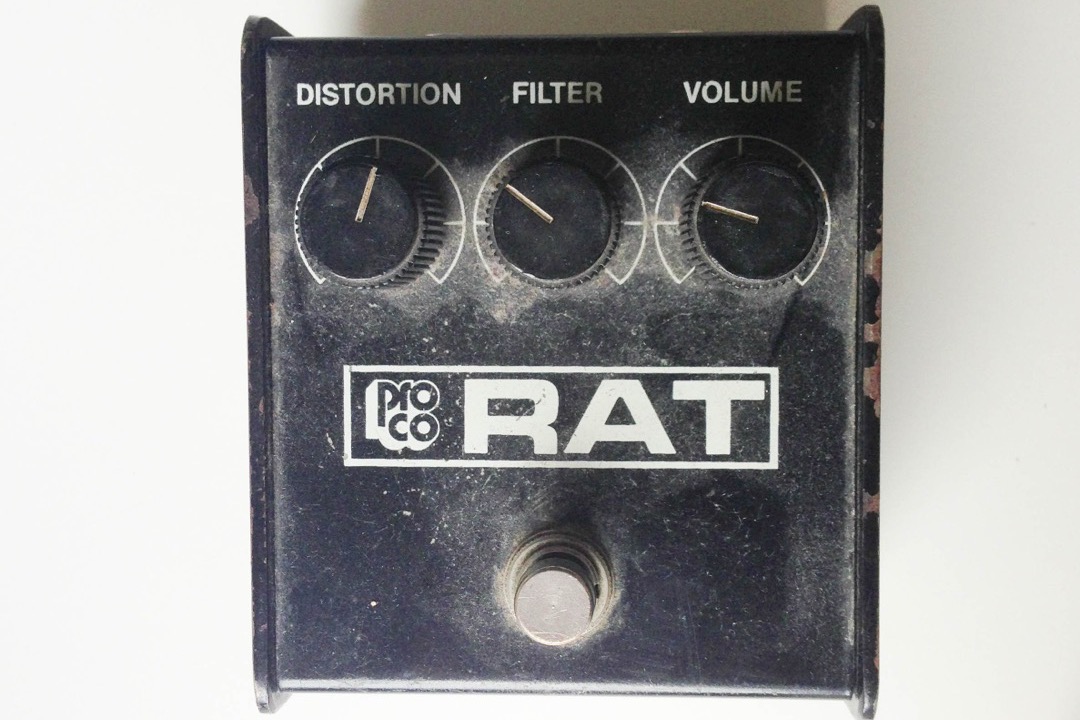
Ask ten guitarists to name the best distortion pedal and you will get ten different answers, because they are quietly answering ten different questions. The metal player wants tight, scooped saturation that stays articulate under fast palm mutes. The classic-rock player wants an amp-in-a-box that makes a clean amp roar. The blues and worship player wants a low-gain, touch-sensitive breakup that cleans up with the volume knob. The beginner wants one great sound for under fifty dollars. There is no single best distortion pedal — there is only the best distortion for your genre, your gain needs, and your board. Distortion is the effect that most defines your rock and metal voice, so this choice matters as much as almost anything else on your pedalboard.
So I approached this roundup the way I approached buying inventory as a gear buyer: not “which distortion is best” but “which distortion is best for each kind of player,” across every budget from a thirty-six-dollar first pedal to a boutique flagship. I evaluated ten pedals on tone, gain range, build, controls, and how honestly each one serves a specific style, and I matched each to a clear role. Whether you want a do-everything box, a dedicated metal machine, an amp-in-a-box RAT, or a dynamic low-gain crunch, one of these ten is built for you. As you read, it is worth browsing our full amps and effects category for how these fit the wider rig, and our best guitar pedals guide for the other effects that shape a board.
| Product | Price | Buy |
|---|---|---|
| Wampler Ratsbane Distortion PedalBest Overall | $127.47 | View on Amazon |
| BOSS DS-1 DistortionBudget Pick | $69.99 | View on Amazon |
| BOSS DS-1W Special Edition Waza Craft Distortion PedalPremium Pick | $169.99 | View on Amazon |
| BOSS MT-2 Metal Zone Distortion Guitar PedalRunner-Up | $108.50 | View on Amazon |
| Pro Co RAT2 Distortion PedalRunner-Up | $86.98 | View on Amazon |
| MXR Distortion+Runner-Up | $99.99 | View on Amazon |
| Donner Distortion Guitar Pedal, Morpher Mini DistortionRunner-Up | $31.99 | View on Amazon |
| Walrus Audio Eras Five-State Distortion PedalRunner-Up | $249.99 | View on Amazon |
| JHS 3 Series DistortionRunner-Up | $99.00 | View on Amazon |
| Electro-Harmonix Big Muff Pi Guitar Effects PedalRunner-Up | $101.60 | View on Amazon |
Find the Best Distortion Pedal for Your Need
Jump straight to the pedal that fits how you play:
- Best distortion pedals overall
- Best distortion pedal for metal
- Best budget distortion pedal
- Best distortion pedal for rock and classic rock
- Best distortion pedal for blues
- Best distortion pedal for worship
How I Tested and Evaluated These Distortion Pedals
Every pedal in this roundup was selected on a verified, active Amazon listing, a real owner-review base, a genuine brand reputation, and a clear fit for a specific kind of player. I drew on twenty years of playing and a gear-buyer’s eye for what actually matters once a distortion is on a board: how musical and usable the core tones are across the gain range, how tight the low end stays when you dig in, how honestly the pedal is built, and whether the controls let you dial in a real sound fast. I cross-referenced hundreds of owner reviews for the recurring complaints — harsh fizz at high gain, boxy midrange, thin low end, noisy bypass — and weighed gain ceiling, EQ, and format against the way each pedal is meant to be used. Pedals from unverified sellers or with thin, suspicious review histories were left out. Because the right distortion depends heavily on the rest of your rig, I have noted throughout how each pedal fits alongside your amp and your playing style.
Best Distortion Pedals Overall
These ten pedals span every budget and genre, but they share one thing: each is the honest best choice for the player it targets. Below, every pedal is reviewed once in full. Farther down, use-case sections pull the right two or three together so you can compare and decide fast for your specific style.
Best Overall: Wampler Ratsbane
The Wampler Ratsbane earns best overall because it refuses to be a one-trick box. Set the gain low and roll the Voice switch back and it is a singing classic-rock crunch; push it and dial the three-band EQ and it is tight, modern high-gain metal with a low end that stays defined under fast riffing. That range, plus boutique build and relay true bypass, makes it the pedal I would hand a player who can only own one.

Wampler Ratsbane Distortion Pedal
by Wampler
The one distortion pedal that genuinely covers everything from classic-rock crunch to modern high-gain metal, with the EQ control to make it fit any band.
Pros
- The widest genuinely usable gain range of any pedal here -- it goes from a light, amp-pushing crunch all the way to saturated modern metal, so a single box covers rhythm, leads, rock, and metal without ever sounding like it is out of its depth in either direction
- A full three-band EQ (Bass, Mid, Treble) plus a Voice switch gives you real, surgical control over the low end and midrange, which is exactly what lets one pedal sit correctly in a dense band mix and then re-voice itself for a solo
- The low end stays tight and articulate even when you push the gain hard, so palm-muted riffs and drop tunings keep their definition instead of turning into mush -- the single hardest thing for a distortion pedal to get right
- Boutique-grade components and relay-based true bypass mean it stays out of your signal when off and holds up on a working pedalboard, the kind of build you buy once and keep for years
Cons
- It costs more than the mass-market BOSS and MXR boxes, which is a real consideration if you only ever need one flavor of dirt
- The extra controls that make it so flexible also give it a steeper learning curve than a simple three-knob pedal -- you have to spend time dialing before it sings
- The review base is smaller than the legacy pedals here (though the 4.7-star average is excellent), so there is less community tone-recipe lore to lean on
Best Budget: BOSS DS-1
The BOSS DS-1 is the cheapest way onto a genuinely legendary tone, which is exactly why it is the smart-money first distortion. Its grunge-and-rock voice has been on records for decades, the three-knob layout is foolproof, and the build is bulletproof. It gets a little fizzy wide open, so it is happiest at low-to-medium gain — but for the price of a couple of cables, nothing else offers this pedigree.

BOSS DS-1 Distortion
by BOSS
The most-reviewed distortion pedal on Amazon and still the cheapest way to put a genuine, record-proven BOSS tone on your board.
Pros
- The cheapest way onto a real, legendary distortion tone -- this is the box behind decades of grunge and rock records (Cobain, Vai, and countless others), and it still costs less than almost anything else with a legacy name on it
- By far the deepest review base of any pedal on this list at over four thousand ratings, which is exactly the proven, no-surprises track record you want from a first distortion pedal
- The classic three-knob layout (Tone, Distortion, Level) means there is nothing to learn -- set the gain, shape the tone, match the volume, and play, all in about ten seconds
- Built to the bulletproof BOSS compact standard that survives being stomped on and thrown in a gig bag for years, which is why it is the default backup box on so many boards
Cons
- It can get harsh and a little fizzy when you crank the distortion all the way, so it is happier at low-to-medium gain than as a modern metal machine
- The buffered bypass is fine for most players but not what tone purists chasing an all-true-bypass board prefer
- You supply your own power -- there is no adapter in the box, and the battery door is fiddly
Best Premium: BOSS DS-1W Waza Craft
The BOSS DS-1W Waza Craft is the DS-1 done better: smoother, tighter, less fizzy, with a Custom mode that adds real high-gain headroom the original never had. It carries the highest rating in this entire roundup. It costs more than double the standard DS-1, so it is the pick for the player who already loves that voice and wants the refined, boutique-grade version in the same footprint.

BOSS DS-1W Special Edition Waza Craft Distortion Pedal
by BOSS
The highest-rated pedal in this roundup -- a real boutique upgrade path for anyone who already loves the DS-1 and wants it done better.
Pros
- A genuine tonal upgrade over the standard DS-1 rather than a repaint -- the Waza Craft version is smoother, tighter, and noticeably less fizzy, so you keep the iconic voice but lose the harshness that makes some players reach for something else
- The dual-mode switch adds a Custom voicing with real high-gain headroom, so the same box handles both the vintage DS-1 sound and modern, heavier tones
- It carries the highest rating in this entire roundup at 4.8 stars, which reflects how cleanly it delivers on the upgrade promise for people who already know and love the original
- Premium internal components in the exact same compact footprint as the classic DS-1, so it drops straight into the pedalboard slot the original already occupies
Cons
- It costs more than double the standard DS-1, so it only makes sense if you specifically want the refined version, not just any distortion
- It is still buffered rather than true bypass, like every BOSS compact
- "Boutique BOSS" pricing on a familiar circuit rubs some purists the wrong way on principle
Best for Metal: BOSS MT-2 Metal Zone
The BOSS MT-2 Metal Zone is the definitive dedicated metal box, and its deep semi-parametric EQ is the reason. That sweepable-mid control lets you carve the tight, scooped, aggressive tones metal needs or dial out the boxiness, backed by a huge gain reserve and thirty years of community settings. It takes time to tame the harshness, but no other pedal here gives a metal player this much control.

BOSS MT-2 Metal Zone Distortion Guitar Pedal
by BOSS
The classic high-gain metal box, with an EQ section deep enough to tame or exaggerate almost any amp for tight, aggressive tones.
Pros
- The most recognized metal distortion box ever made -- its scooped, high-gain voicing is the sound thousands of metal and hardcore players built their tone on, backed by over thirty years of community EQ recipes you can dial straight in
- A genuinely deep semi-parametric EQ (Low, sweepable Mid with a frequency control, and High) lets you carve tight, focused metal tones or dial out the boxiness -- far more tone-shaping than any single-knob pedal offers
- A massive reserve of gain on tap means it saturates hard enough for the heaviest modern styles without running out of headroom
- The rugged BOSS chassis takes a beating on stage and keeps working, the same build reliability as the rest of the line
Cons
- It is infamous for a harsh, buzzy "bee in a jar" tone if the EQ is left flat or mismanaged -- getting the best out of it takes real time with the mid controls
- All that gain and EQ is overkill for classic rock or blues, where a simpler pedal sounds better and dials faster
- Buffered bypass, and the learning curve is the steepest of the budget-to-mid boxes here
Best for Classic Rock: Pro Co RAT2
The Pro Co RAT2 is the amp-in-a-box that makes a clean amp roar, and one of the most cloned circuits in history for good reason. A single Distortion knob spans edge-of-breakup grit to full high-gain, and the unique Filter control shapes brightness in a way most distortions cannot. It is the classic-rock, grunge, and garage-rock sound behind decades of records, in a true-bypass metal chassis.

Pro Co RAT2 Distortion Pedal
by Pro Co
The definitive amp-in-a-box distortion -- the RAT sound behind decades of records, with a range that spans overdrive to full distortion off one knob.
Pros
- One of the most sampled and cloned circuits in pedal history -- the RAT is the distortion behind Cobain, Jeff Beck, and Radiohead, and the definitive "amp-in-a-box" sound that makes a clean amp roar
- A huge usable range off a single Distortion knob, from mild edge-of-breakup grit all the way to full, aggressive high-gain, so it doubles as an overdrive and a distortion depending on where you set it
- The unique Filter control (a reverse tone knob) shapes brightness in a way most distortions cannot, letting you roll off the bite for a darker, thicker voice
- True bypass in an all-metal chassis, a road-proven build at a very fair price for a legacy circuit
Cons
- The stock LM308 chip has an upper-mid bite and grit that not everyone loves, especially into a bright amp
- It can get brittle or fizzy at maximum gain compared with modern, tighter designs
- The enclosure is larger than the mini pedals here, so it eats a bit more pedalboard space
Best Low-Gain & Transparent: MXR Distortion+
The MXR Distortion+ is the dynamic, low-gain choice — and the honest answer for blues, roots, and worship players. It cleans up when you roll back your guitar’s volume and digs in when you push, so one setting covers rhythm and lead the way a great amp does. Two knobs, zero learning curve, and an authentic 1978 circuit with real pedigree. Its gain ceiling is low by design, which is the whole point.

MXR Distortion+
by MXR (Dunlop)
The touch-sensitive, low-gain choice for blues, roots, and worship players who want dynamic breakup rather than maximum saturation.
Pros
- Genuinely dynamic in a way most distortions are not -- it cleans up when you roll back your guitar's volume knob and digs in when you push, so a single setting covers rhythm and lead the way a great amp does
- Just two controls (Output and Distortion) mean zero learning curve -- there is almost no way to dial in a bad sound
- An authentic reissue of the 1978 circuit with real pedigree (Randy Rhoads, Trey Anastasio), so the low-to-medium gain voice has decades of proven musicality behind it
- A compact footprint that slips onto any board and pairs beautifully in front of an already-dirty amp for a touch-sensitive boost
Cons
- The gain ceiling is honestly low for modern metal -- this is a low-to-medium gain pedal by design, not a high-gain machine
- Two knobs limit fine tone-shaping if you want to carve specific frequencies
- Buffered bypass rather than true bypass
Best Under $50: Donner Morpher Mini
The Donner Morpher Mini is the cheapest name-brand pedal here that still doesn’t feel like a toy. A three-way mode switch gives it three distinct voicings instead of one fixed sound, it has true bypass most budget boxes skip, and its 1,665-review track record backs up the value. The mini enclosure crowds the knobs and the build is not made for heavy touring, but as a first pedal or a backup slot it punches far above its price.

Donner Distortion Guitar Pedal, Morpher Mini Distortion
by Donner
The cheapest name-brand distortion on this list that still doesn't feel like a toy -- three voicings and true bypass for the price of a couple of cables.
Pros
- Genuinely flexible for the price -- a three-way mode switch gives you three distinct voicings (natural, tight, and classic crunch) rather than one fixed sound, which is rare this cheap
- True bypass switching keeps your dry tone intact when the pedal is off, a feature you usually pay much more for
- The lowest price of any name-brand pedal here by a wide margin, making it the obvious first distortion or a no-guilt backup slot
- A 1,665-review track record at 4.3 stars is a strong, believable record for a pedal in this price tier
Cons
- The mini enclosure packs the knobs close together, so precise on-the-fly tweaks are fiddlier than on a full-size box
- Budget-tier components and build mean it is not made for the abuse of constant heavy touring the way a BOSS or MXR is
- The simpler control set limits how finely you can shape the tone
Best Modern Multi-Voice: Walrus Audio Eras
The Walrus Audio Eras is the modern flagship that replaces a whole drawer of pedals. Its five-state selector packs a clean boost, crunch, and saturated high-gain into one relay-switched box, making it the single most flexible slot on this page for a gigging player who needs many tones from one footprint. It is the most expensive pedal here and overkill for a one-sound player, but for versatility nothing else comes close.

Walrus Audio Eras Five-State Distortion Pedal
by Walrus Audio
A modern flagship that swaps five different pedals for one relay-switched box -- the most flexible single slot on this page.
Pros
- Five genuinely distinct distortion voicings in one box -- from a clean boost through crunch to saturated high-gain -- which can replace three to five separate pedals and every board slot they would take
- Premium relay-based true bypass with soft-touch switching, the modern flagship approach that keeps your signal pristine and the footswitch quiet
- Modern flagship build quality and a strong reputation among boutique reviewers for sounding as good as its price implies
- The single most flexible pedal here for a gigging player who needs to cover many songs and tones from one footprint
Cons
- It is the most expensive pedal on this list, priced like the multi-pedal investment it is meant to replace
- The five-state complexity is genuine overkill if you only ever want one distortion sound
- The review base is small simply because it is a newer release, so there is less long-term feedback to lean on
Best Boutique Value: JHS 3 Series
The JHS 3 Series Distortion is the easiest way onto a genuinely trusted boutique name without boutique-flagship pricing. It is a real JHS — true bypass, quality components, a clean three-knob layout that dials in fast — for under a hundred dollars. It does one voicing rather than many, and the review base is thinner than the legacy boxes, but the brand trust and simplicity make it a low-risk first boutique pedal.

JHS 3 Series Distortion
by JHS Pedals
A genuine USA-designed boutique distortion at a price point most boutique brands can't touch -- the easiest way onto a trusted name.
Pros
- A real JHS boutique pedigree at a sub-$100 price that most boutique brands simply cannot match -- the name and the design team are the genuine article, not a budget knockoff
- True bypass and quality components in a simple, honest package built by one of the most trusted names in the modern pedal world
- A clean three-knob layout (Volume, Tone, Gain) that dials in fast, ideal for a player who wants a great sound without a menu
- The JHS brand ecosystem and trust make it an easy, low-risk first step into boutique dirt
Cons
- A thinner review track record than the mass-market pedals here, so there is less community feedback
- A single fixed voicing, unlike the multi-mode Donner or Walrus, so it does one thing rather than many
- Intentionally simplified -- players who want deep tone-shaping should look at JHS's pricier lines
Best Distortion-Fuzz Hybrid: Electro-Harmonix Big Muff Pi
The Electro-Harmonix Big Muff Pi is the distortion that flirts with fuzz, and nothing else here delivers its thick, creamy, endless sustain. It is the wall-of-sound behind Pink Floyd, Smashing Pumpkins, and a generation of stoner and doom bands — massive on sustaining leads and heavy riffs. It trades clarity for density, so it can get muddy on chords in a busy mix, but for thick lead tone it is unmatched.

Electro-Harmonix Big Muff Pi Guitar Effects Pedal
by Electro-Harmonix
The distortion pedal that flirts with fuzz -- massive sustain and wall-of-sound density for stoner, doom, and thick lead tones.
Pros
- Massive, creamy sustain and a genuine wall-of-sound tone -- the Big Muff is the distortion that flirts with fuzz, and nothing else here delivers that thick, endless singing lead voice
- Iconic pedigree behind the sound (Pink Floyd, Smashing Pumpkins, and stoner and doom bands beyond counting), so you are buying a proven, recorded-a-thousand-times tone
- True bypass switching and a dead-simple three-knob control set (Volume, Tone, Sustain) that dials in fast
- Uniquely good at thick, sustaining leads and heavy riffs where you want density and sustain over articulation
Cons
- It can get muddy and lose note definition in a dense mix, especially on chords -- it trades clarity for thickness by design
- It is not touch-dynamic the way an op-amp distortion is, so it does not clean up with your volume knob
- The larger footprint takes more board space than a compact box
Best Distortion Pedal for Metal
For tight, aggressive, high-gain tones — metal, metalcore, and hardcore — you want maximum saturation that stays articulate and a low end that does not turn to mush under fast riffing. The BOSS MT-2 Metal Zone is the dedicated specialist with the deepest EQ for scooped metal tones; the Wampler Ratsbane matches the gain but keeps a tighter, more modern low end and a full three-band EQ; and the Big Muff Pi is the thick, sustaining choice for stoner and doom.
| Product | Price | Buy |
|---|---|---|
| BOSS MT-2 Metal Zone Distortion Guitar PedalBest dedicated metal box Semi-parametric EQ carves scooped, aggressive tones with a huge gain reserve | $108.50 | View on Amazon |
| Wampler Ratsbane Distortion PedalBest tight modern high-gain Modern high-gain with a full three-band EQ and a low end that stays defined | $127.47 | View on Amazon |
| Electro-Harmonix Big Muff Pi Guitar Effects PedalBest for stoner & doom Thick, creamy sustain and wall-of-sound density for downtuned riffs | $101.60 | View on Amazon |
Best Budget Distortion Pedal
If your ceiling is around a hundred dollars, three pedals here deliver real quality and a genuine name without the throwaway feel of the cheapest no-name gear. The Donner Morpher Mini is the cheapest name-brand box with three voicings and true bypass; the BOSS DS-1 is the record-proven grunge-rock icon and the deepest review base anywhere; and the Pro Co RAT2 is the best value classic, a legendary amp-in-a-box for under ninety dollars.
| Product | Price | Buy |
|---|---|---|
| Donner Distortion Guitar Pedal, Morpher Mini DistortionBest under $50 Three distinct voicings and true bypass for the price of a couple of cables | $31.99 | View on Amazon |
| BOSS DS-1 DistortionBest budget name-brand Legendary Cobain/Vai tone, foolproof three-knob layout, 4,000+ reviews | $69.99 | View on Amazon |
| Pro Co RAT2 Distortion PedalBest value classic The definitive RAT circuit -- overdrive to full distortion off one knob | $86.98 | View on Amazon |
Best Distortion Pedal for Rock and Classic Rock
For rock and classic rock you want an amp-in-a-box that makes a clean amp roar and a wide, dynamic range from crunch to full distortion. The Pro Co RAT2 is the definitive choice — the sound behind decades of records, with a huge usable range off one knob; the BOSS DS-1 is the budget grunge-rock icon; and the Wampler Ratsbane is the versatile all-rounder when you want EQ control to fine-tune the crunch.
| Product | Price | Buy |
|---|---|---|
| Pro Co RAT2 Distortion PedalBest amp-in-a-box One Distortion knob spans edge-of-breakup grit to full high-gain, plus a Filter control | $86.98 | View on Amazon |
| BOSS DS-1 DistortionBest grunge-rock budget The cheapest way onto a record-proven grunge and classic-rock tone | $69.99 | View on Amazon |
| Wampler Ratsbane Distortion PedalBest versatile rock all-rounder Dial the three-band EQ to shape crunch that sits perfectly in a band mix | $127.47 | View on Amazon |
Best Distortion Pedal for Blues
Blues rewards a low-gain, touch-sensitive breakup that cleans up when you roll back your guitar’s volume — not a hard-gated wall of gain. The MXR Distortion+ is the dynamic specialist that responds to your picking like a great amp; the Pro Co RAT2 set low is a grittier, more aggressive blues-rock voice with more range on tap; and the BOSS DS-1 is the budget way in, happiest at the low-to-medium gain blues lives in.
| Product | Price | Buy |
|---|---|---|
| MXR Distortion+Best dynamic low-gain Cleans up with your volume knob for true touch-sensitive dynamics | $99.99 | View on Amazon |
| Pro Co RAT2 Distortion PedalBest blues-rock grit Roll the Distortion back for a grittier, amp-like blues-rock breakup | $86.98 | View on Amazon |
| BOSS DS-1 DistortionBest budget blues Low-to-medium gain grunge-rock voice at the lowest price here | $69.99 | View on Amazon |
Best Distortion Pedal for Worship
Worship and ambient playing want a transparent, low-gain drive that adds warmth and sustain without burying the note or the mix — often with the flexibility to go from a clean boost to a fuller crunch. The MXR Distortion+ is the touch-sensitive low-gain heart of a worship board; the Walrus Audio Eras spans a clean boost through gain in one box for a modern, versatile rig; and the Wampler Ratsbane’s full EQ lets you shape a drive that sits cleanly under vocals and keys.
| Product | Price | Buy |
|---|---|---|
| MXR Distortion+Best touch-sensitive low-gain Dynamic, low-gain breakup that stays out of the way of vocals and keys | $99.99 | View on Amazon |
| Walrus Audio Eras Five-State Distortion PedalBest clean-boost-to-gain range Five voicings from clean boost to saturated gain in one relay-switched box | $249.99 | View on Amazon |
| Wampler Ratsbane Distortion PedalBest EQ to sit in the mix Three-band EQ carves a drive that fits cleanly under a full worship mix | $127.47 | View on Amazon |
Buyer's Guide
The best distortion pedal is the one that matches your genre's gain needs, the amount of tone-shaping you actually want to manage, and your board -- in that order. Distortion is the effect that most defines your rock and metal voice, so it is worth choosing deliberately. Here is what actually matters when you compare pedals.
Distortion vs. overdrive vs. fuzz -- know what you're buying
These three effects clip your signal differently. Distortion is the thick, saturated, compressed sound at the heart of rock and metal, and it holds its gain no matter how hard you dig in. Overdrive is softer and more dynamic (great for blues); fuzz is the wooly, square-wave wall of sound. Several pedals here straddle the lines -- the RAT2 and Distortion+ overlap with overdrive at low settings, and the Big Muff sits on the distortion-fuzz border -- so decide which voice you actually want first.
Gain ceiling for your genre
Match the pedal's maximum gain to the heaviest thing you play. Low-to-medium-gain pedals like the MXR Distortion+ are dynamic and touch-sensitive for blues, roots, and worship but run out of steam for metal. High-gain boxes like the BOSS MT-2 and Wampler Ratsbane have the saturation and tight low end that heavy styles need. A versatile pedal like the RAT2 or Walrus Eras spans a wide range, but a dedicated metal player is better served by a purpose-built high-gain box.
True bypass vs. buffered bypass
True bypass removes the pedal from your signal when off and suits short, simple chains. Buffered bypass keeps a strong, low-impedance signal driving long cable runs and big boards. Every BOSS compact here is buffered (and BOSS buffers are good ones); the RAT2, Wampler, Walrus, JHS, Donner, and Big Muff are true bypass. On a board with five or more pedals, having at least one quality buffer in the chain is usually a benefit, not a compromise.
EQ and tone-shaping controls
Decide how much control you want. A two-knob pedal like the MXR Distortion+ gets you playing in seconds but shapes tone broadly. A three-band or semi-parametric EQ like the Wampler Ratsbane's or the BOSS MT-2's lets you carve specific frequencies -- essential for making a high-gain tone sit in a band mix or for taming a boxy amp. More knobs mean more power and a steeper learning curve; simpler pedals mean faster, more foolproof results.
Gain staging and signal-chain placement
How a distortion pedal interacts with your amp is half the sound. Into a clean amp, the pedal supplies all the dirt (an amp-in-a-box approach the RAT2 excels at). Stacked in front of an already-dirty channel, it tightens and boosts the amp for leads. Place distortion early in your chain -- after tuner, wah, and compressor, before modulation, delay, and reverb -- and out front of the amp rather than in an effects loop.
Power and build
None of these pedals include a power adapter, so factor a 9V center-negative supply into your budget. Check current draw against your power supply if you run a crowded board, and note the format: mini pedals like the Donner save space but crowd the knobs, while full-size metal-chassis boxes like the RAT2 and BOSS compacts are more roadworthy. A distortion lives on your board for years, so build quality is worth paying a little for.
How to Choose the Best Distortion Pedal for You
The right distortion pedal is the one that matches your genre’s gain needs, the amount of control you want to manage, and your board — in that order. Start with gain, because it rules out whole categories: a metal player needs the saturation and EQ of a BOSS MT-2 or Wampler Ratsbane, while a blues or worship player is far better served by the dynamic, low-gain breakup of an MXR Distortion+ that cleans up with the volume knob. If you are not sure yet, a wide-range pedal like the Pro Co RAT2 or the five-state Walrus Eras lets you explore from crunch to high-gain and discover your own taste.
Then think about controls and your board. A two-knob pedal gets you playing in seconds; a three-band or semi-parametric EQ gives you the power to make a tone sit in a band mix but takes longer to dial. Remember that none of these pedals include a power adapter, so budget for a 9V supply, and place your distortion early in the chain — after tuner, wah, and compressor, before modulation, delay, and reverb — and out front of your amp rather than in an effects loop. How the pedal interacts with your amp is half the sound, so pair it with the right one: start with our best guitar amps guide. If you are still building the board, our best guitar pedals roundup covers the other effects, and a good reverb pedal is the natural next add once your dirt is sorted.
The Bottom Line
If you want one distortion pedal that genuinely does everything, the Wampler Ratsbane is the clearest best overall pick — rock-to-metal range, a full EQ, and boutique build. On a budget, the BOSS DS-1 is the smartest first distortion for the money, and the Donner Morpher Mini is the cheapest name-brand box worth owning. From there it comes down to your genre: the BOSS MT-2 Metal Zone for dedicated metal, the Pro Co RAT2 for classic-rock amp-in-a-box tone, the MXR Distortion+ for dynamic low-gain blues and worship, the Walrus Audio Eras for five tones in one box, the JHS 3 Series for boutique value, the BOSS DS-1W Waza Craft for a refined DS-1 upgrade, and the Big Muff Pi for thick, sustaining distortion-fuzz leads. Match the pedal to your gain needs, your controls, and your board, pair it with the right amp, and you will have the core of your rock or metal voice locked in.
Frequently Asked Questions
What is the difference between distortion, overdrive, and fuzz?
Where should a distortion pedal go in my signal chain?
Do I need a distortion pedal if my amp already has a gain channel?
What is the best distortion pedal for metal?
True bypass or buffered -- does it matter for a distortion pedal?
Analog or digital distortion -- is one better?
How much should I spend on a distortion pedal?
Related Articles
9 Best Reverb Pedals of 2026 (Spring, Ambient, Budget & Studio)
amps-effects
10 Best Multi-Effects Pedals of 2026 (Budget, Compact, Acoustic & Live)
amps-effects
9 Best Looper Pedals of 2026 (Budget, Beginner, Bass, Drums & Live)
amps-effects
9 Best Guitar Amps of 2026 (Every Budget, Practice to Gigging)
amps-effects
11 Best Guitar Pedals of 2026 (One Pick for Every Effect)
amps-effects
About the Reviewer

Julian Reyes, MM, Berklee
M.M. Performance, Berklee College of Music
Julian Reyes is a multi-instrumentalist with a Master of Music from Berklee College of Music and over a decade gigging on guitar, bass, and keys. Before founding House of Octave, he spent years as a gear buyer for an independent music retailer, evaluating hundreds of instruments and audio products for the sales floor. He started House of Octave in 2026 to give players honest, hands-on reviews — judged by how gear actually sounds and holds up on stage and in the studio, not by spec sheets or sponsorships.